Giro D Italia 2026 – Stage 14
Post Series: Giro D Italia 2026
- 1.Giro D Italia 2026 – Stage 1
- 2.Giro D Italia 2026 – Stage 2
- 3.Giro D Italia 2026 – Stage 3
- 4.Giro D Italia 2026 – Stage 4
- 5.Giro D Italia 2026 – Stage 5
- 6.Giro D Italia 2026 – Stage 6
- 7.Giro D Italia 2026 – Stage 7
- 8.Giro D Italia 2026 – Stage 8
- 9.Giro D Italia 2026 – Stage 9
- 10.Giro D Italia 2026 – Stage 10
- 11.Giro D Italia 2026 – Stage 11
- 12.Giro D Italia 2026 – Stage 12
- 13.Giro D Italia 2026 – Stage 13
- 14.Giro D Italia 2026 – Stage 14
- 15.Giro D Italia 2026 – Stage 15
- 16.Giro D Italia 2026 – Stage 16
- 17.Giro D Italia 2026 – Stage 17
Aosta → Pila (Gressan) | 133.0 km | mountain
Relentless climbing will stack up the fatigue before the final ascent to Pila, where the gradients will invite explosive attacks and punish any weakness. This will be a day when pure climbers and GC contenders alike could trade blows long before the summit, turning the race into a war of attrition.
Previous Stage Recap
Stage 13 from Alessandria to Verbania turned into a classic Giro breakaway day. A group of fifteen attackers shaped the race over the largely flat 189 kilometres, saving the real damage for the pair of sharp late climbs above Lago Maggiore. On the final ascent, Alberto Bettiol (XDS Astana Team) accelerated clear of Andreas Leknessund, forcing the Norwegian to accept he simply had no answer in the heat. Bettiol crested the climb alone and launched into the descent with a 13‑kilometre solo to the line in Verbania.
Behind, Leknessund held off the remnants of the move for second, while Jasper Stuyven (Soudal Quick-Step) closed out the podium after another industrious day he admitted had not even been in his original plans. Michael Valgren Andersen and Mark Donovan rounded out the top five from the break, ahead of Josh Kench, Mikkel Bjerg and Francesco Busatto. The peloton, focused on conserving energy, allowed the escapees their day, and Afonso Eulálio quietly retained the maglia rosa on the eve of the first truly hard Alpine summit finish.
The Route
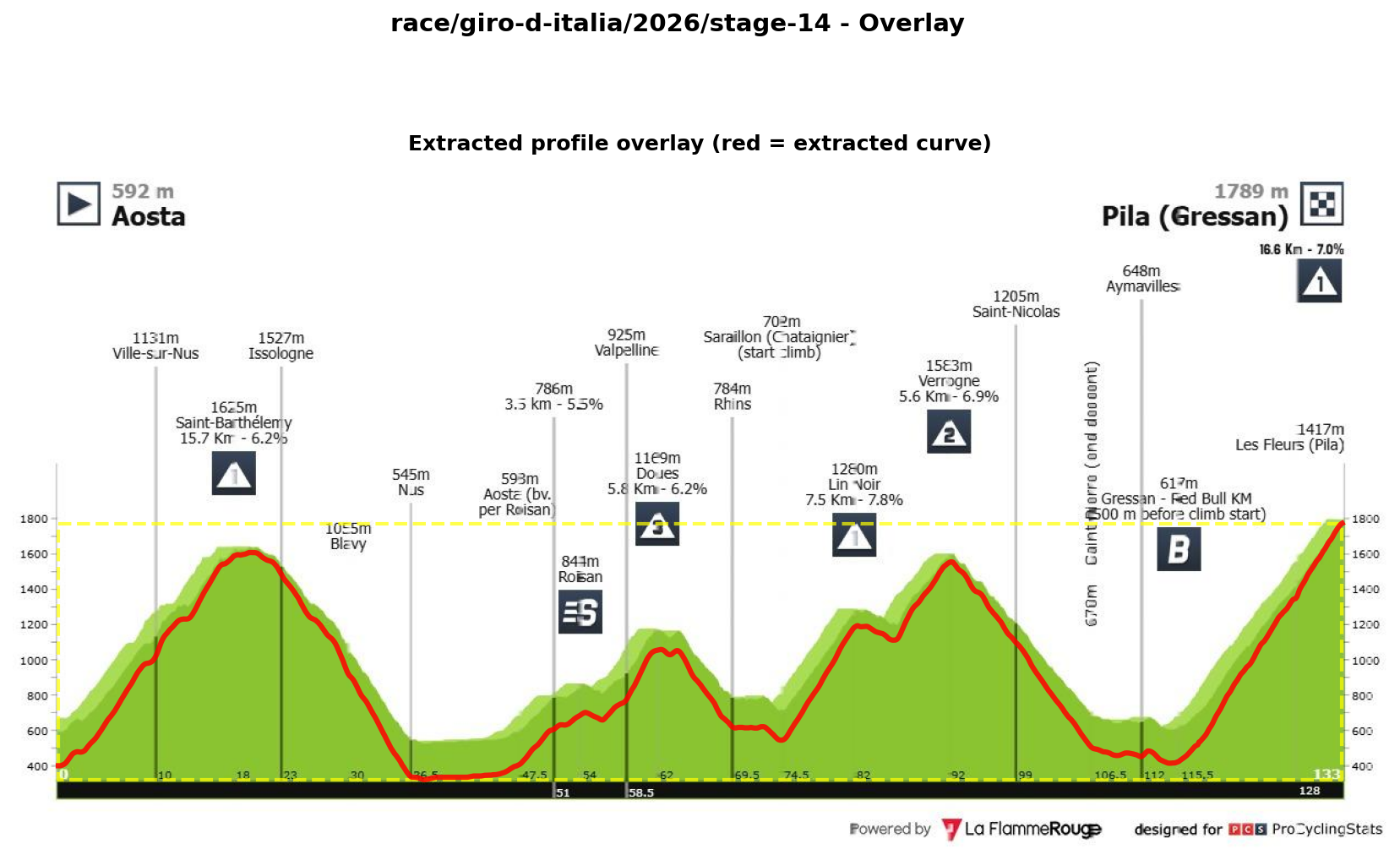
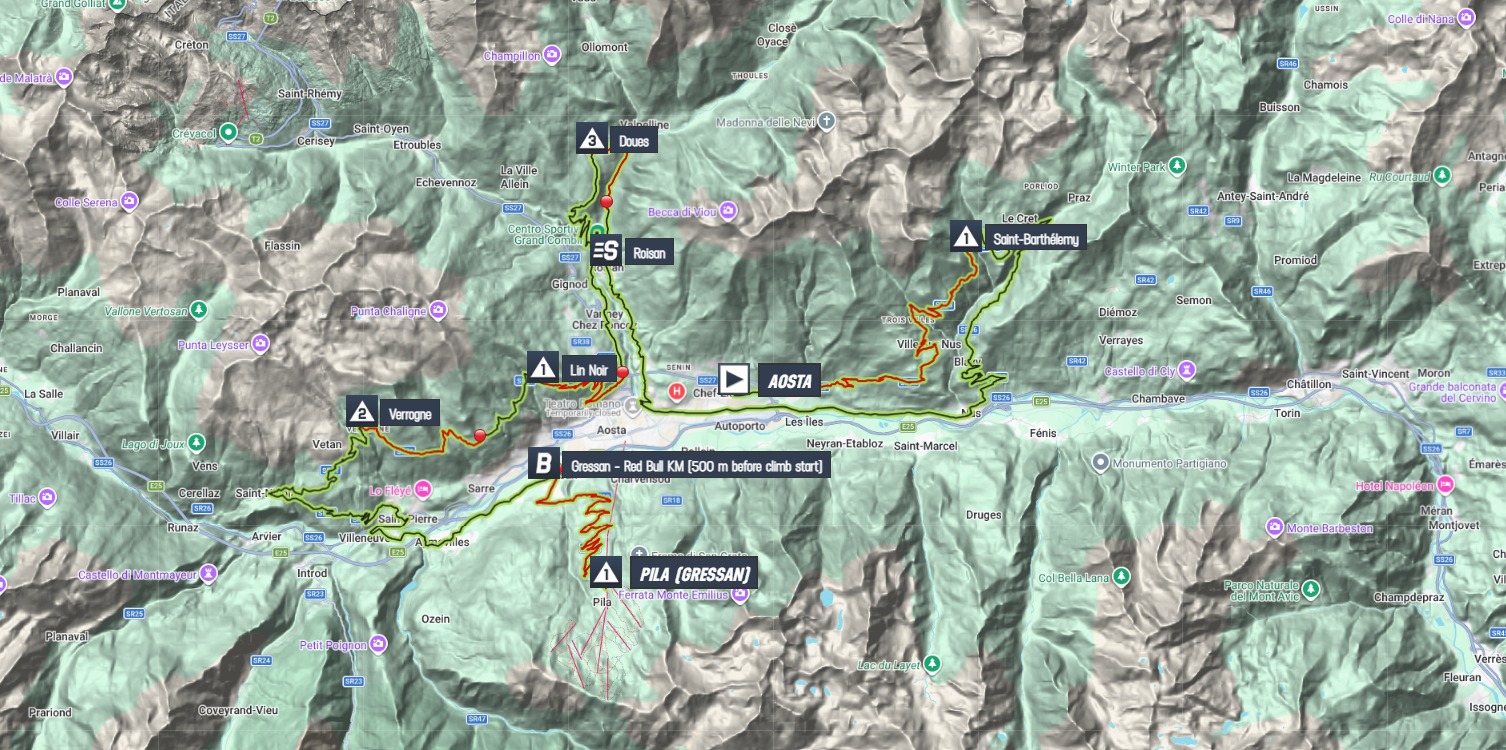
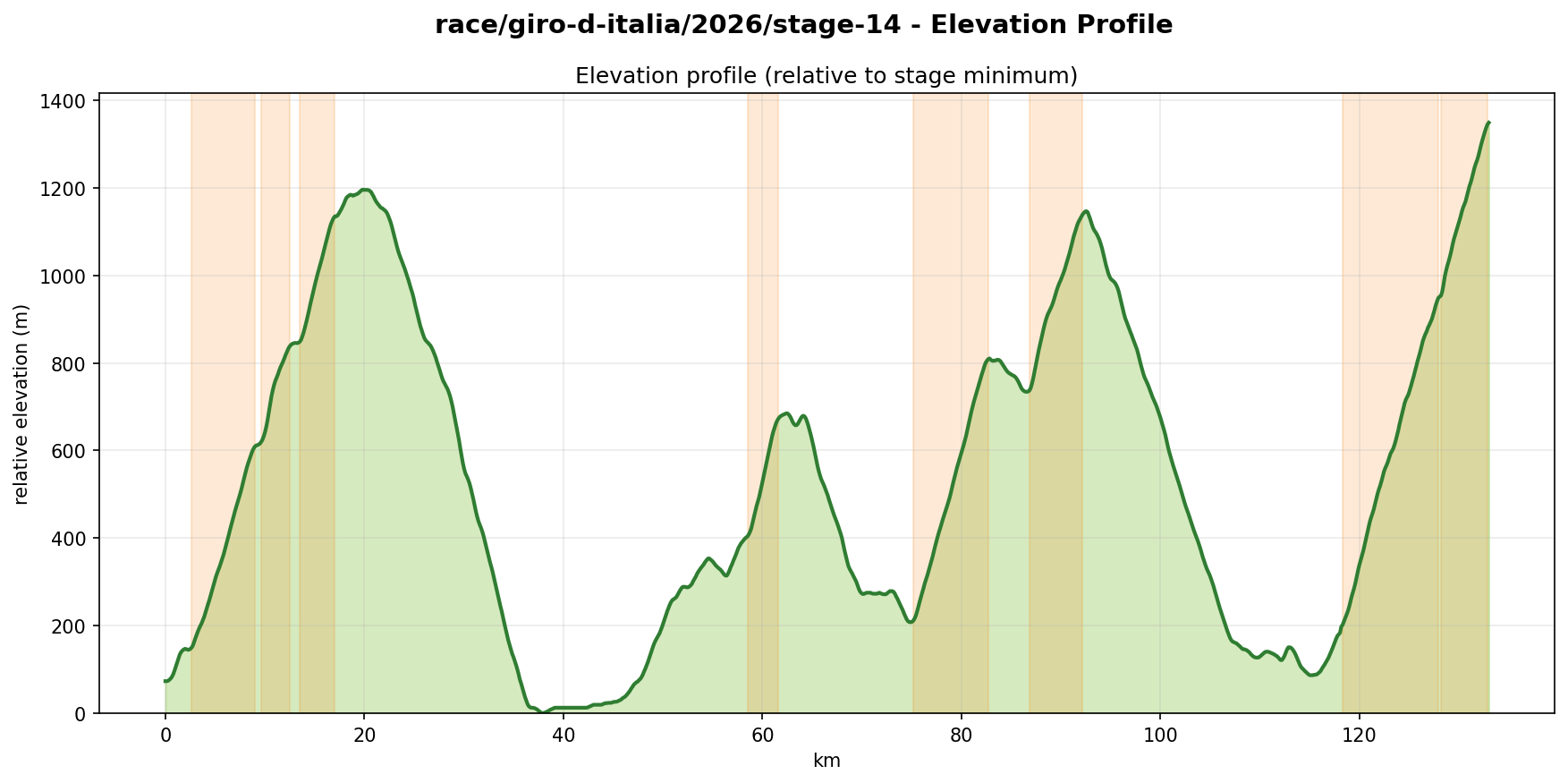
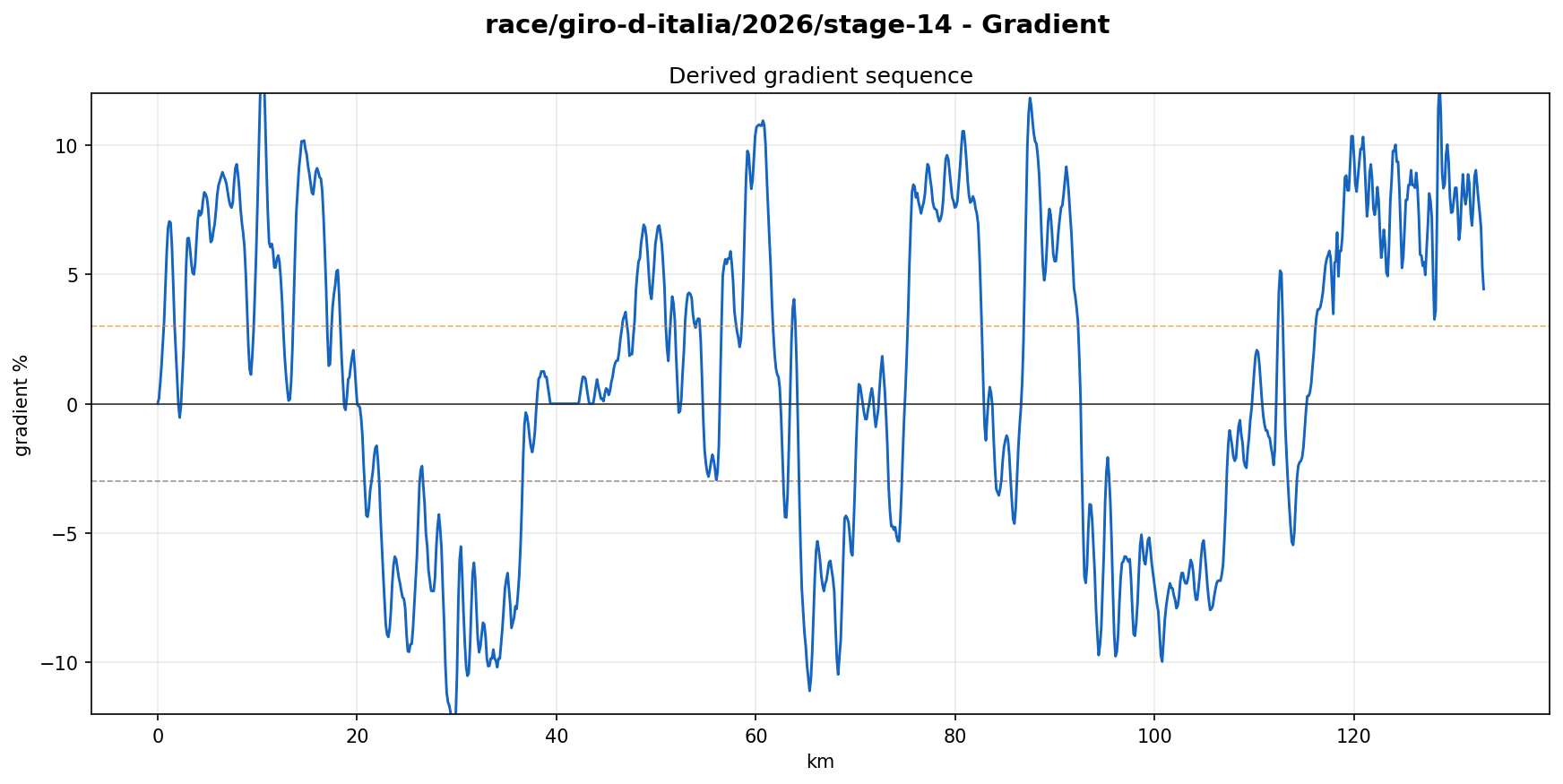
From Aosta the road will climb almost immediately, dragging the bunch up into the side of the valley before a long, twisting descent resets the race after barely 30 kilometres. That opening ascent will bite enough to help a strong breakaway form, but the real pattern of the day will only emerge once the riders hit the middle of the stage and begin a sawtooth sequence of climbs and plunging descents. The Doues ascent, 5.8 km at 6.2%, will lift the race back into the high slopes, before Lin Noir (7.5 km at 7.8%) and Verrogne (5.6 km at 6.9%) stack more altitude and fatigue onto already-tired legs, each climb steeper and more sustained than the valley floor in between suggests.
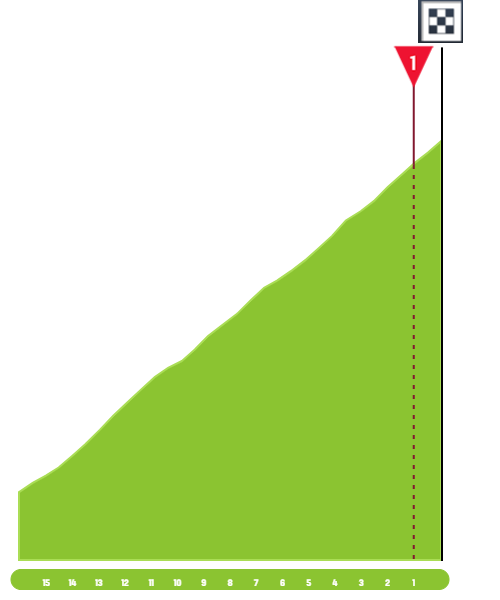
After Verrogne the peloton will drop all the way back down to the valley, where a brief flat approach to Gressan will act as a tense pause before the 16.6 km haul to Pila at 7.0%. The final climb will be long, regular and unrelenting, likely favouring pure climbers who will ride a high tempo rather than explosive puncheurs, and giving GC teams plenty of road to impose a controlled pace if they choose to reel in the break. With 4,209 metres of vertical packed into just 133.0 km, this mountain stage will be relentlessly back‑loaded, and the final kilometres to Pila will likely reward lightweight climbers and durable GC contenders who thrive on sustained efforts above 20 minutes, whether they come from a breakaway or from a reduced favourites’ group.
Key Climbs:
- Doues — 5.8km at 6.2%, km 56
- Lin Noir — 7.5km at 7.8%, km 74
- Verrogne — 5.6km at 6.9%, km 87
- Pila — 16.6km at 7.0%, km 116
*16.6km from final summit to the finish.*
Weather
21°C | Sunny | 1 km/h E
How It Might Unfold
The short distance and immediate climbing from Aosta will encourage an aggressive start, with pure climbers and all‑round breakaway specialists trying to form a move that could survive to Pila. GC teams will likely allow a sizeable group to go on Doues, then use the valleys to reset and measure the gap. The middle climbs of Lin Noir and Verrogne will be where domestiques of overall contenders begin to thin the peloton and quietly test rivals’ legs rather than launch all‑out attacks.
The real showdown will almost certainly come on the long final ascent to Pila, where a high tempo from GC trains could shred the field and isolate leaders. Attacks might first fly on the steeper middle ramps, with the strongest climbers looking to force a selection and turn the finale into a series of small groups or lone riders rather than a bigger bunch. A late acceleration in the final kilometres could see a GC favourite or a surviving breakaway specialist ride clear, making a solo victory more likely than a reduced sprint, while time gaps at the top could be significant for the overall standings.
Contenders
This will be a day for the pure GC climbers, and Jonas Vingegaard will sit firmly at the top of that list. He will likely measure himself against fellow lightweight specialists like Felix Gall and Thymen Arensman, riders who will relish a long summit finish and could turn this into a selective, high‑altitude test rather than a mere damage‑limitation exercise. If Visma raises the pace early, they might try to strip away helpers and force a reduced group well before Pila.
Just behind that top tier, riders like Jai Hindley, Derek Gee and Davide Piganzoli will eye this as both an opportunity and a threat. Hindley will want to stay in touch with the very best, while Gee could again punch above his perceived climbing weight if the pace is more controlled. Piganzoli might be allowed a little rope as a younger Italian GC hope, making him dangerous if the favourites hesitate behind.
From the breakaway: Enric Mas, Giulio Ciccone, Christian Scaroni, Egan Bernal and Sepp Kuss will be the main riders to watch.
Predictions
1. ⭐⭐⭐ Jonas Vingegaard
2. ⭐⭐ Felix Gall
3. ⭐⭐ Egan Bernal
4. ⭐⭐ Giulio Ciccone
5. ⭐ Christian Scaroni
6. ⭐ Sepp Kuss
Predicted Winner
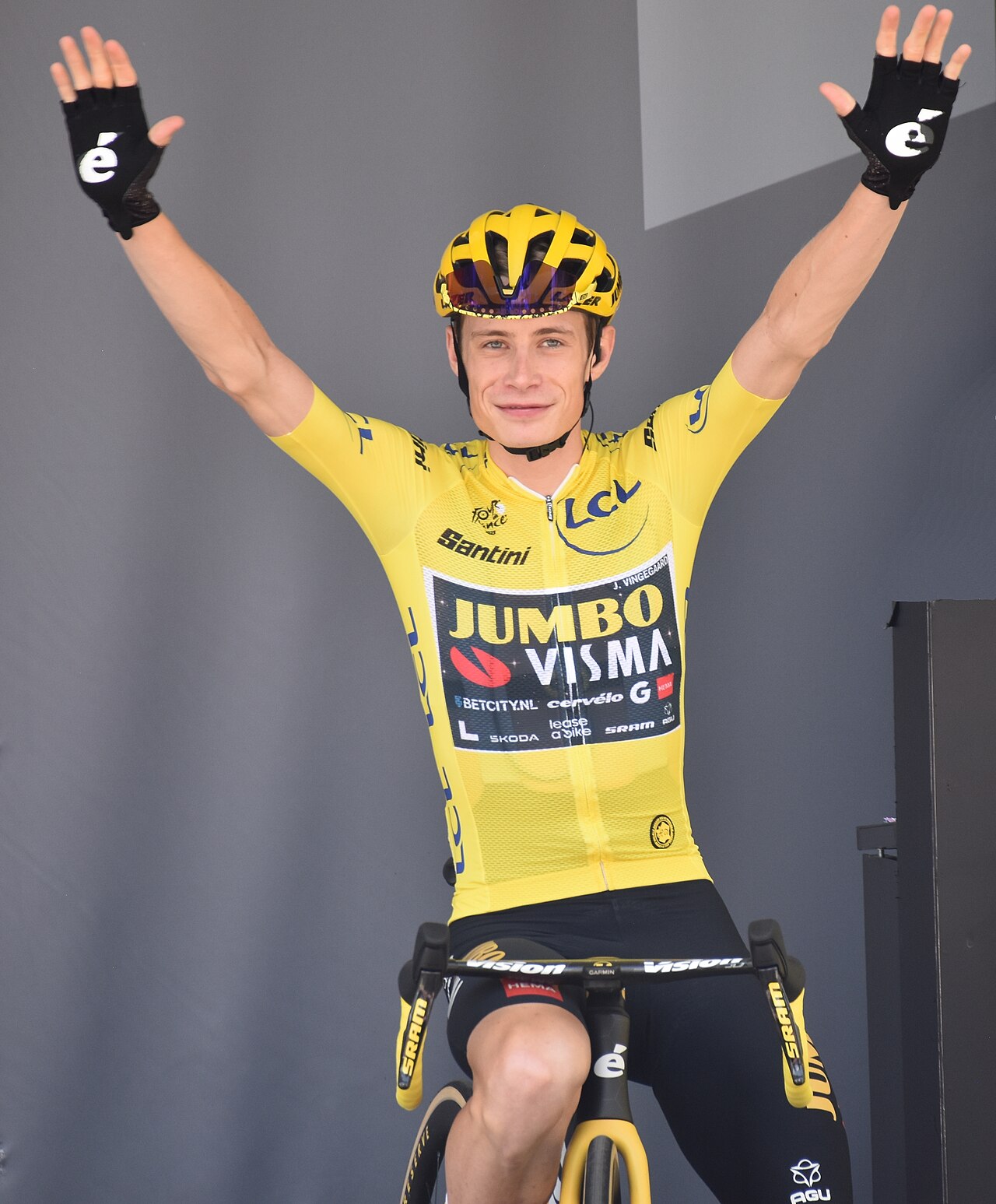
Jonas Vingegaard
Launches a attack on the (pen)ultimate climb, distances the GC group, and solos over the final ascent to victory.