Giro D Italia 2026 – Stage 7
Post Series: Giro D Italia 2026
- 1.Giro D Italia 2026 – Stage 1
- 2.Giro D Italia 2026 – Stage 2
- 3.Giro D Italia 2026 – Stage 3
- 4.Giro D Italia 2026 – Stage 4
- 5.Giro D Italia 2026 – Stage 5
- 6.Giro D Italia 2026 – Stage 6
- 7.Giro D Italia 2026 – Stage 7
- 8.Giro D Italia 2026 – Stage 8
- 9.Giro D Italia 2026 – Stage 9
- 10.Giro D Italia 2026 – Stage 10
- 11.Giro D Italia 2026 – Stage 11
- 12.Giro D Italia 2026 – Stage 12
- 13.Giro D Italia 2026 – Stage 13
- 14.Giro D Italia 2026 – Stage 14
- 15.Giro D Italia 2026 – Stage 15
- 16.Giro D Italia 2026 – Stage 16
- 17.Giro D Italia 2026 – Stage 17
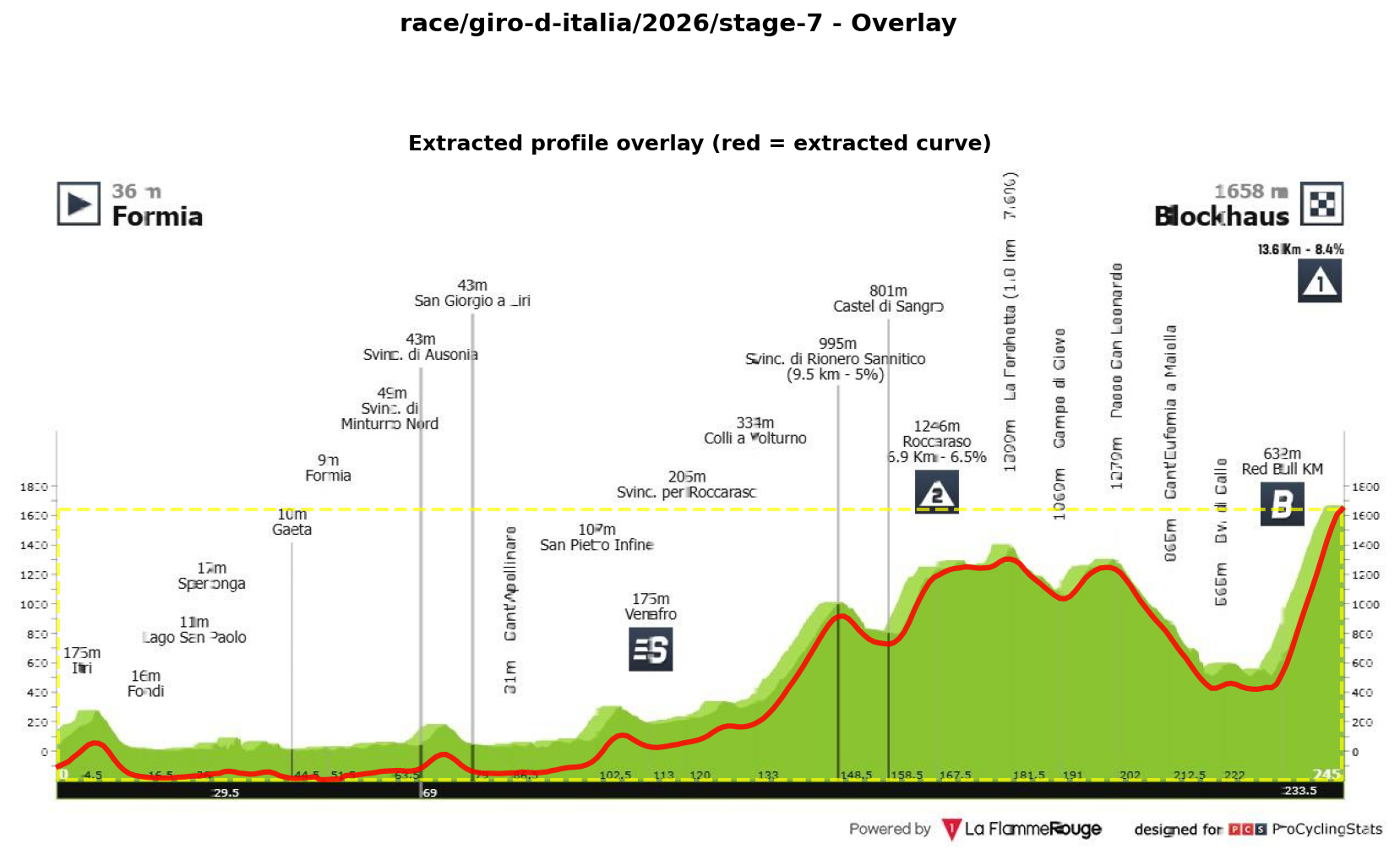
Formia → Blockhaus | 244.0 km | mountain
A brutal all-day grind will culminate in the legendary slopes of Blockhaus, where the final ascent will demand pure climbing excellence and ruthless pacing. The sheer length paired with the day’s relentless vertical gain will sap every domestique and could expose real cracks among the overall contenders.
The Route
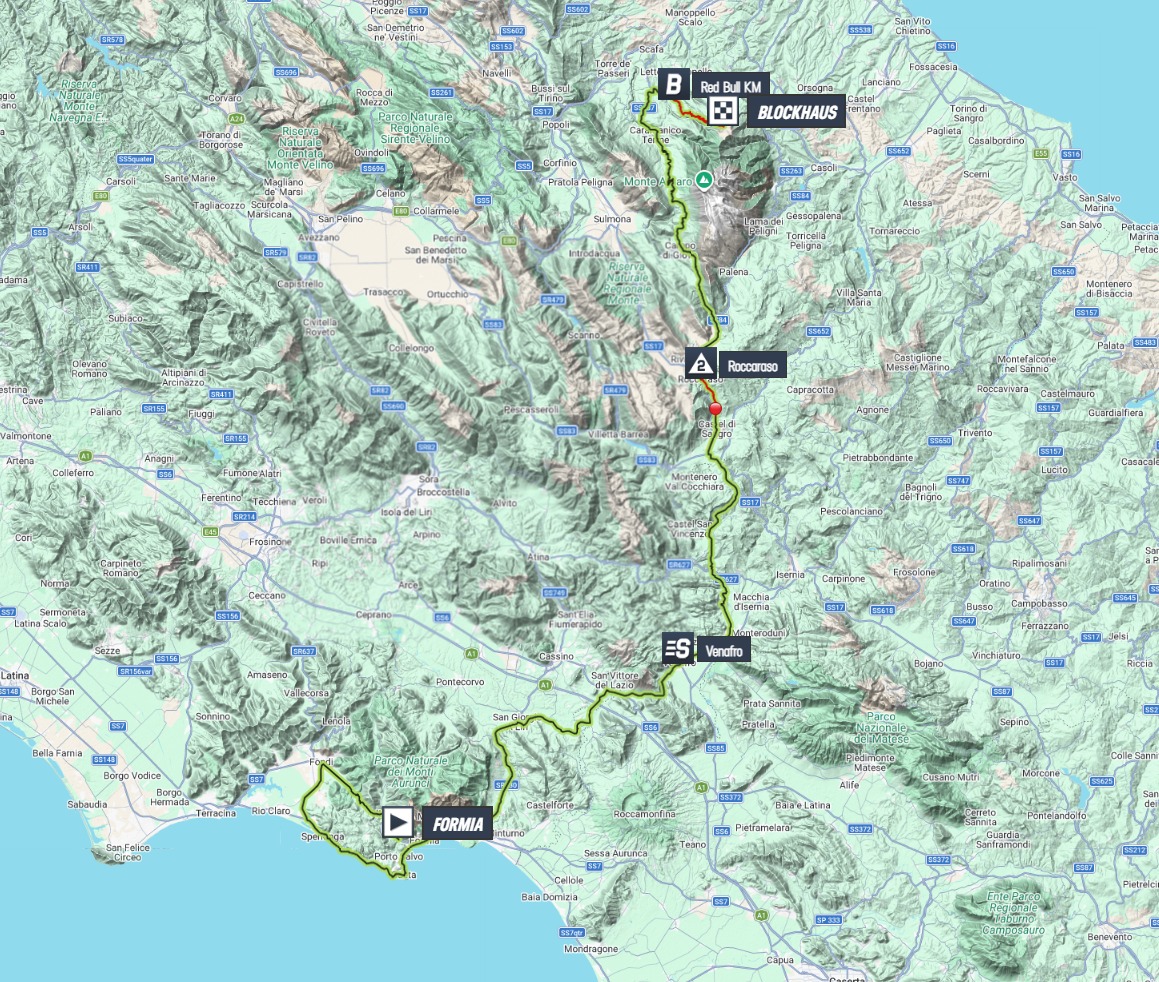
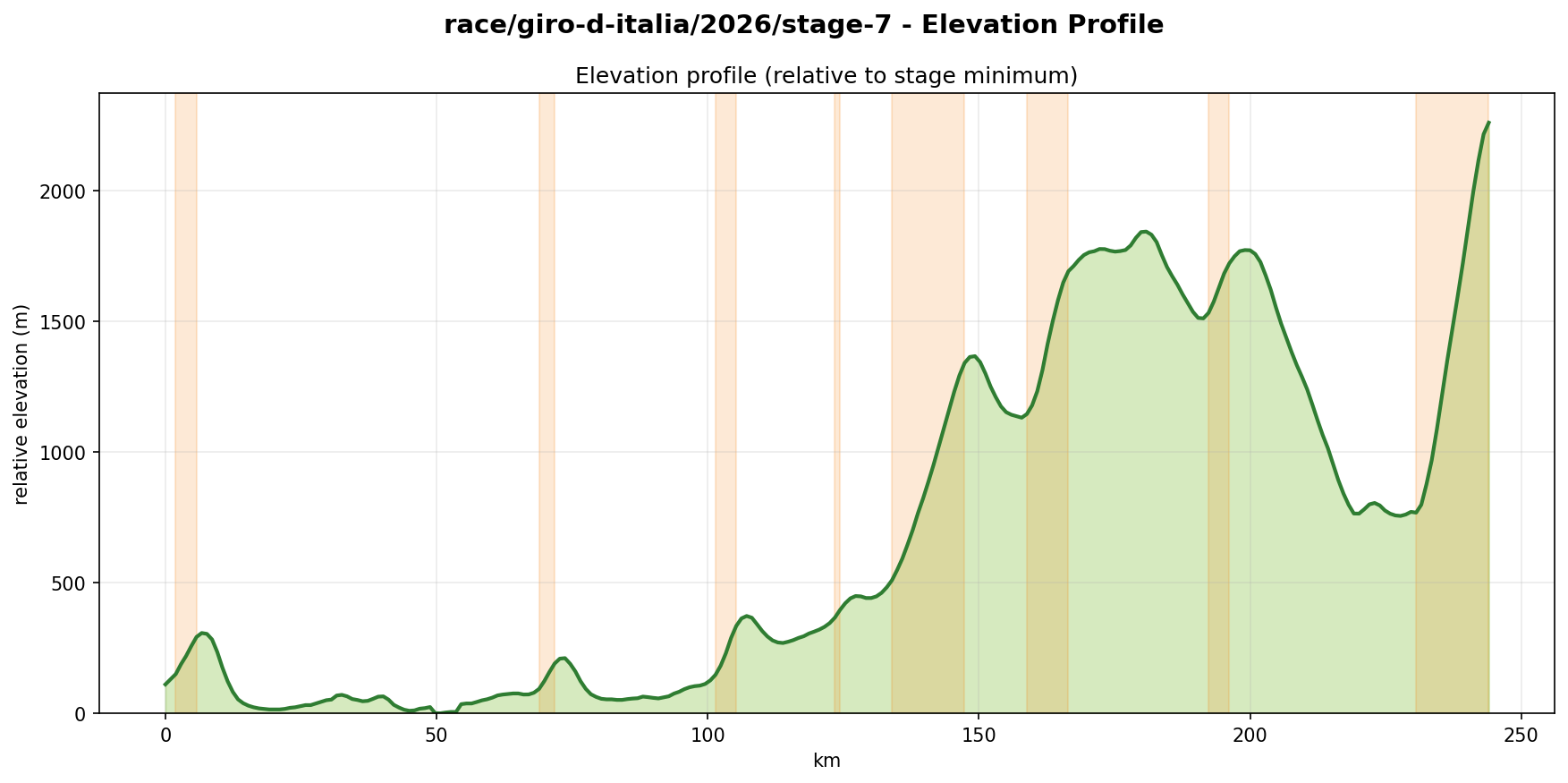
The road from Formia to Blockhaus will start deceptively gently, hugging the coast and the lower hills as the race drifts inland. For more than 100 kilometres the bunch will roll over mostly friendly terrain, long flat and false‑flat sections inviting a sizeable breakaway to form while the big teams protect their leaders and watch the time gaps. The landscape will gradually rise, the valleys narrowing and the gradient beginning to bite as the road pushes into the Apennines and the day’s 4,467 metres of climbing begins to weigh on the legs.
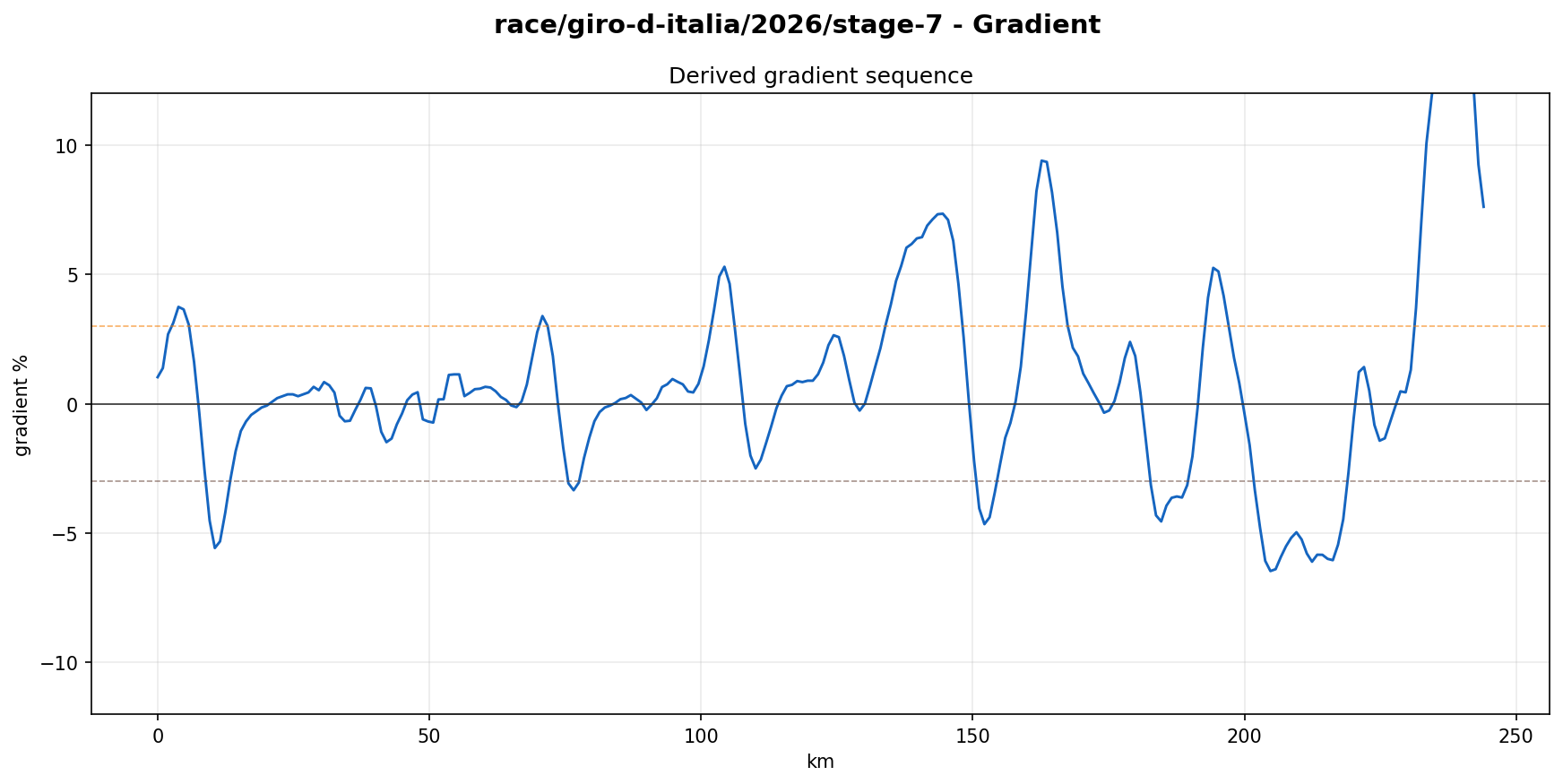
From around mid‑stage the profile will turn hostile and stay that way. The long drag up to Rionero Sannitico (9.5 km at 5.0% at kilometre 140) will haul the race properly into the mountains, softening legs before the steeper ramps around Roccaraso (6.9 km at 6.4% at kilometre 160) and the punchy wall of La Forchetta (1.8 km at 7.6% at kilometre 179) further sap the field. This middle sector will suit breakaway specialists and climbing domestiques who will look to turn early moves into a platform, while GC teams will decide whether to chase and set a hard tempo or let the fugitives fight for the stage and focus on limiting risks.
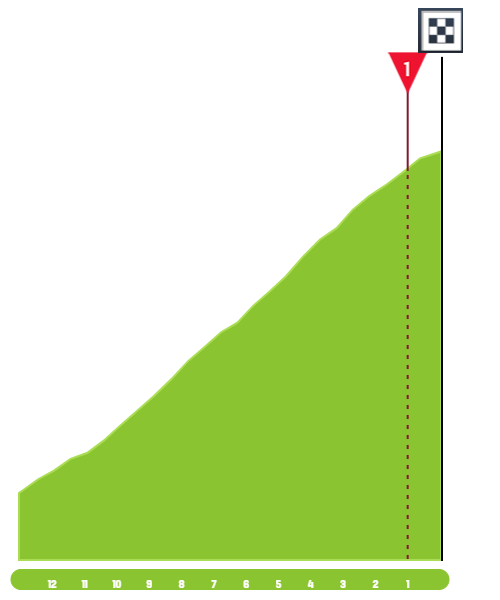
After a lengthy, nervous descent and rolling approach, the road will rear up brutally for the final 13.4 km at 8.5% to Blockhaus at kilometre 232, a classic summit finish that will expose any weakness. The climb’s sustained steep gradients and altitude will favour pure climbers and GC contenders who thrive on long, high‑tempo efforts, while heavier all‑rounders could simply try to limit losses. Whether the winner emerges from a breakaway that survives the Apennines or from a reduced GC group, this will be a day for featherweight climbers and diesel mountain leaders, and the gaps at the top could be significant for the overall classification.
Key Climbs:
- Rionero Sannitico — 9.5km at 5.0%, km 140
- Roccaraso — 6.9km at 6.4%, km 160
- La Forchetta — 1.8km at 7.6%, km 179
- Blockhaus — 13.4km at 8.5%, km 232
Weather
9°C (Blockhaus) | Partly Cloudy with light showers | 12 km/h SE
How It Might Unfold
A strong break of pure climbers and all‑rounders will likely go clear on the rolling approach, with teams of exhausted riders due to the recent cold and rain happy to let it grow before Rionero Sannitico. The first serious filtering should come there and on Roccaraso, where breakaway specialists will try to shed weaker companions and build a buffer. GC teams will probably keep the gap manageable rather than tight, using La Forchetta to move their rouleurs forward and start lining out the bunch. By the descent into the valley before Blockhaus, the race could already be split into small, tired groups.
The decisive phase will likely arrive on Blockhaus itself, where the combination of stage length and steep gradients will favour pure climbers and explosive GC leaders. An early acceleration from a domestique could turn the final into a series of one‑on‑one duels, with riders dropped in stages rather than in a single big move. A lone GC leader or elite climber escaping in the final kilometres appears more likely than a sizeable group contesting the win. If the favourites mark each other too closely, however, a surviving breakaway specialist or a tiny reduced group sprint near the line could still decide the stage.
Contenders
Jonas Vingegaard, Giulio Pellizzari, Felix Gall, Thymen Arensman and Enric Mas will headline the pure GC battle, likely waiting for the final climb to test each other with hard, selective pacing rather than wild attacks. Thymen Arensman and Jai Hindley could ride more reactively, marking moves and then trying to slip away if the favourites start watching one another, especially if his team has numbers late. Giulio Ciccone is a wildcard.
From a breakaway, Filipo Zana, Einer Rubio, Andreas Leknessund, Aleksandr Vlasov, Javier Romo, Magnus Sheffield and Allessandro Pinarello might offer their squads aggressive options from a little further down the hierarchy, jumping into an early move that the main contenders are happy to let go.
However with such a long stage and such a tough final climb, a fight among the General Classification contenders seems most likely.
Predictions
1. ⭐⭐⭐ Jonas Vingegaard
2. ⭐⭐ Giulio Pellizzari
3. ⭐⭐ Felix Gall
4. ⭐⭐ Thymen Arensman
4. ⭐ Enric Mas
5. ⭐ Jai Hindley
6. ⭐ Giulio Ciccone
Predicted Winner
Jonas Vingegaard
Launches a long-range attack on the Blockhaus and puts time into most of his rivals. Eulalio to crack.