Giro D Italia 2026 – Stage 2
Post Series: Giro D Italia 2026
- 1.Giro D Italia 2026 – Stage 1
- 2.Giro D Italia 2026 – Stage 2
- 3.Giro D Italia 2026 – Stage 3
- 4.Giro D Italia 2026 – Stage 4
- 5.Giro D Italia 2026 – Stage 5
- 6.Giro D Italia 2026 – Stage 6
- 7.Giro D Italia 2026 – Stage 7
- 8.Giro D Italia 2026 – Stage 8
- 9.Giro D Italia 2026 – Stage 9
- 10.Giro D Italia 2026 – Stage 10
- 11.Giro D Italia 2026 – Stage 11
- 12.Giro D Italia 2026 – Stage 12
- 13.Giro D Italia 2026 – Stage 13
- 14.Giro D Italia 2026 – Stage 14
- 15.Giro D Italia 2026 – Stage 15
- 16.Giro D Italia 2026 – Stage 16
- 17.Giro D Italia 2026 – Stage 17
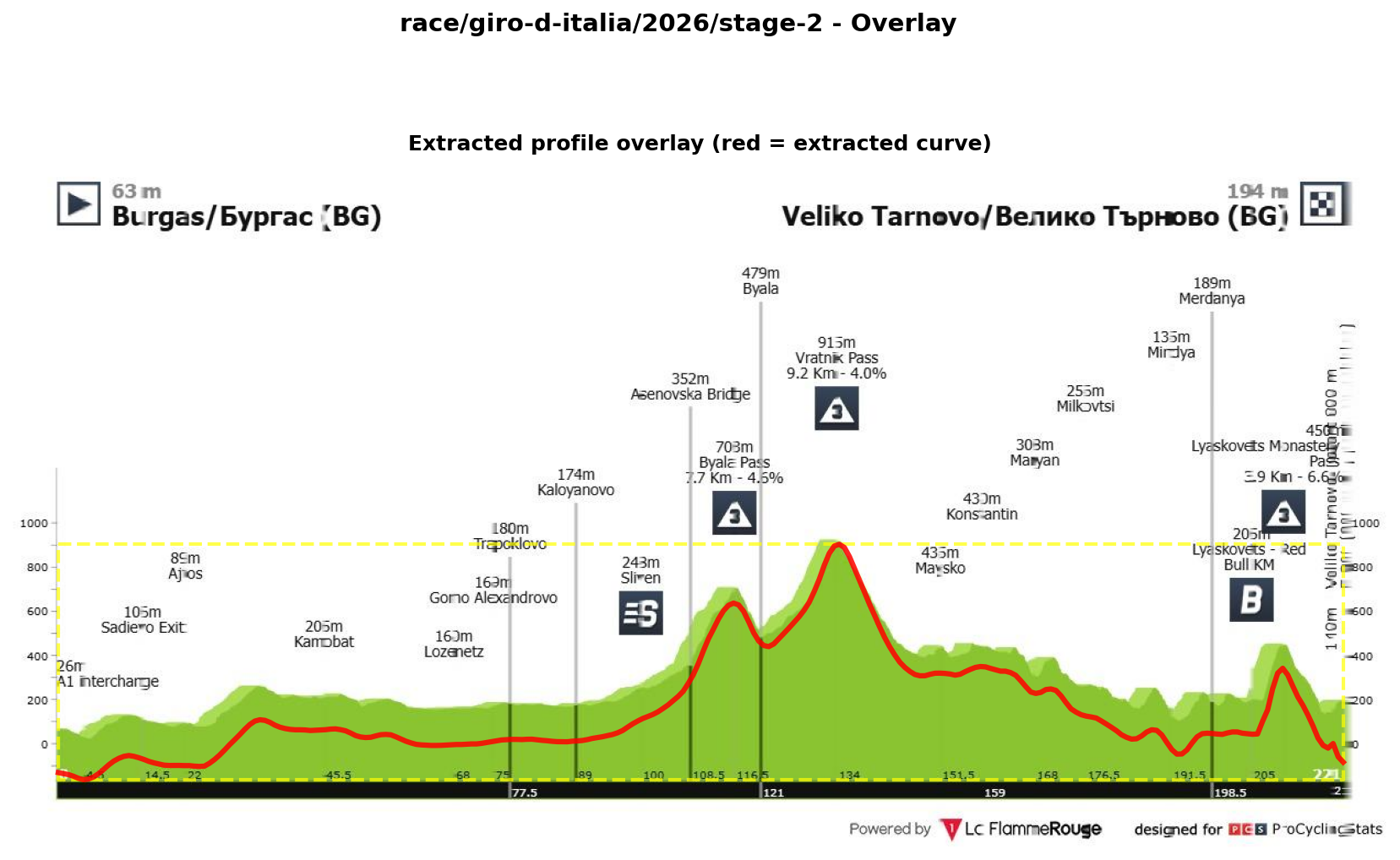
Burgas → Veliko Tarnovo | 221.0 km | hilly
Riders will trade the Black Sea coast for a long, rolling haul into Bulgaria’s interior, where a succession of medium climbs will sap the legs more than the profile suggests. With no monster ascents but barely a flat stretch all day, this could become a war of attrition between punchy all‑rounders and ambitious breakaway specialists.
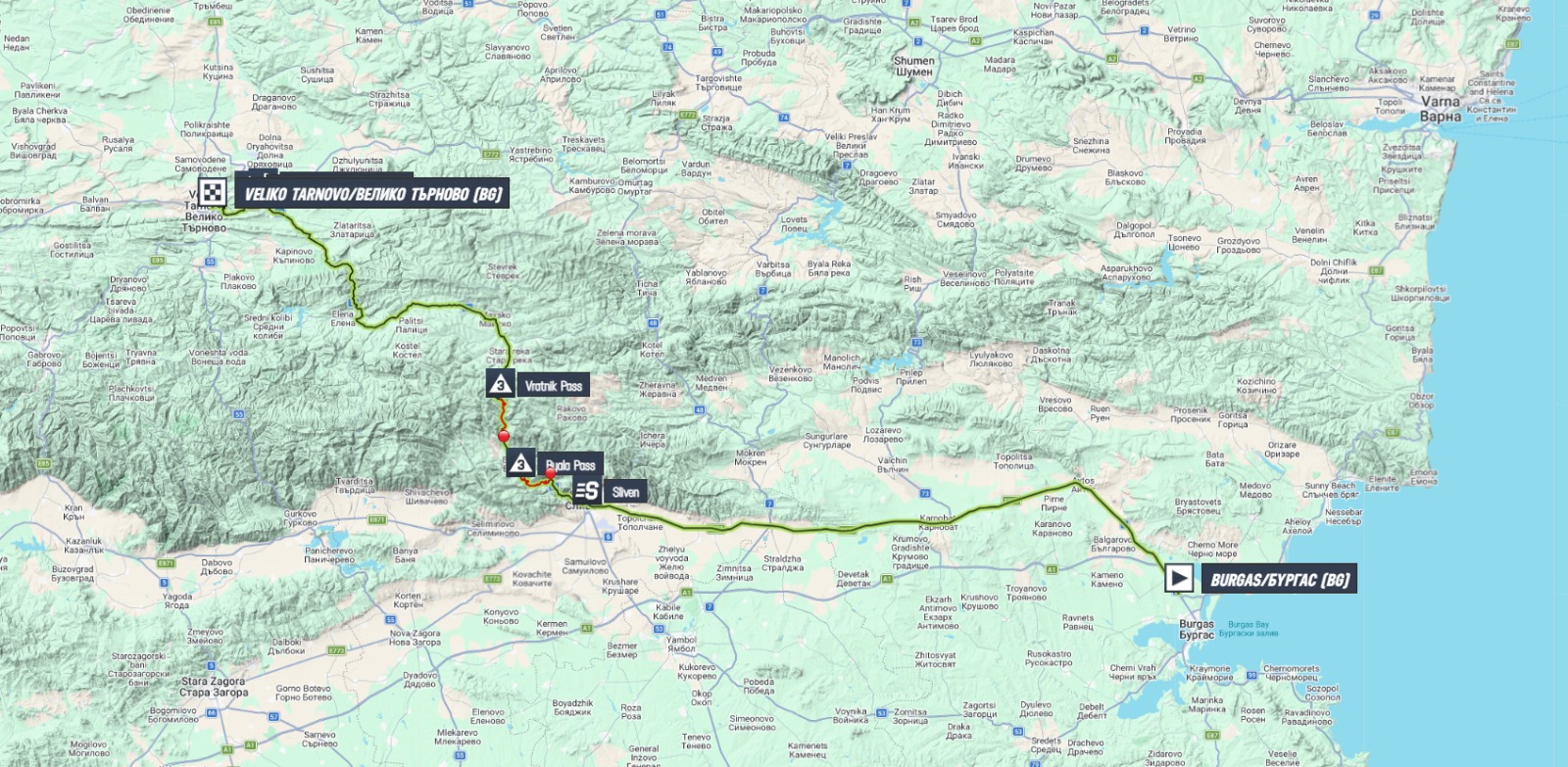
The Route
From the Black Sea in Burgas the peloton will head inland on gently rising terrain, trading coast for rolling Bulgarian countryside. The opening half of the stage will feel relatively benign: long stretches of undulating road will invite an early breakaway and give the sprinters’ teams time to settle into a rhythm. Yet the profile will always be creeping upwards, the green hills thickening on the horizon as the race approaches the interior high ground.
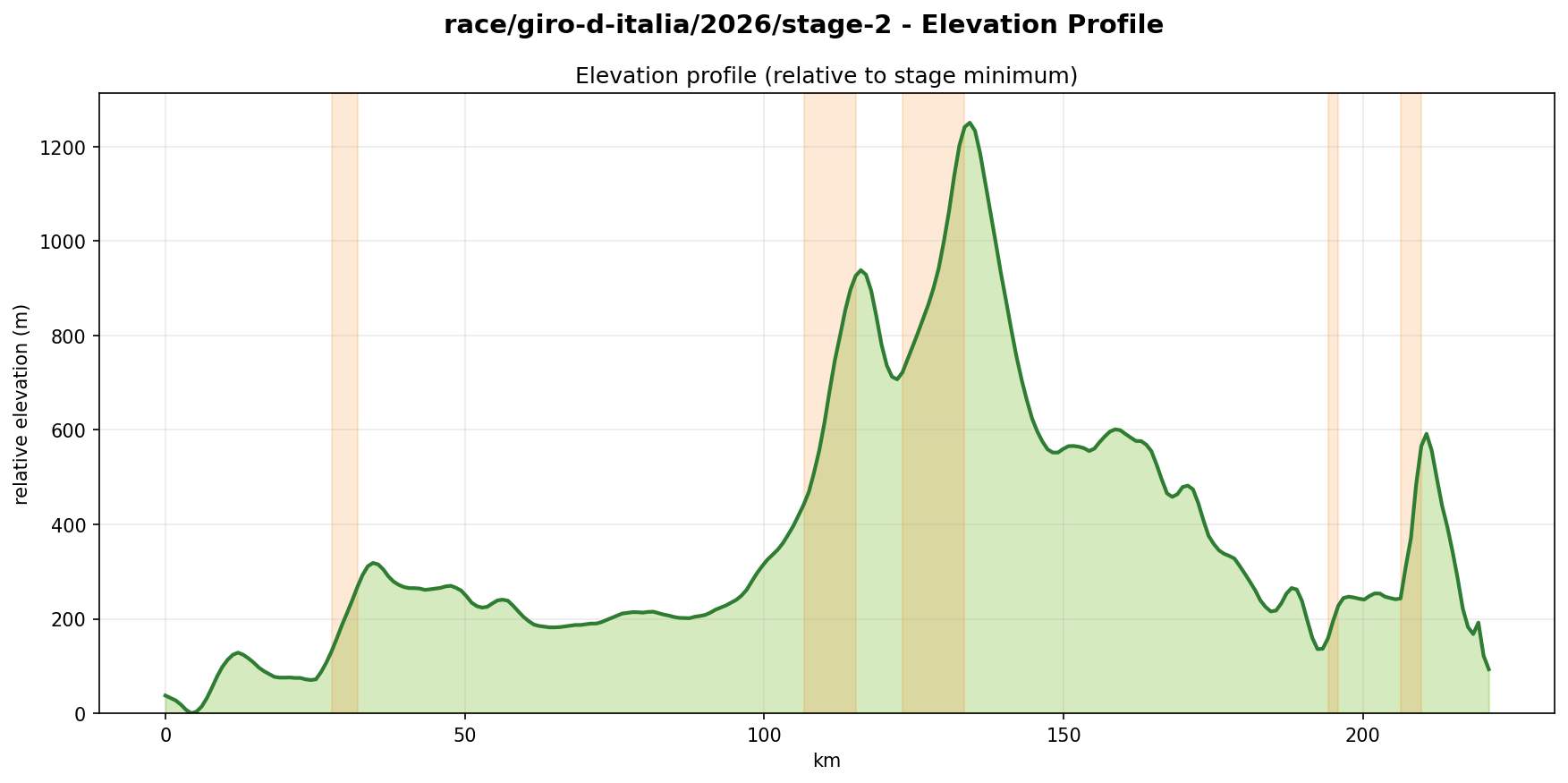
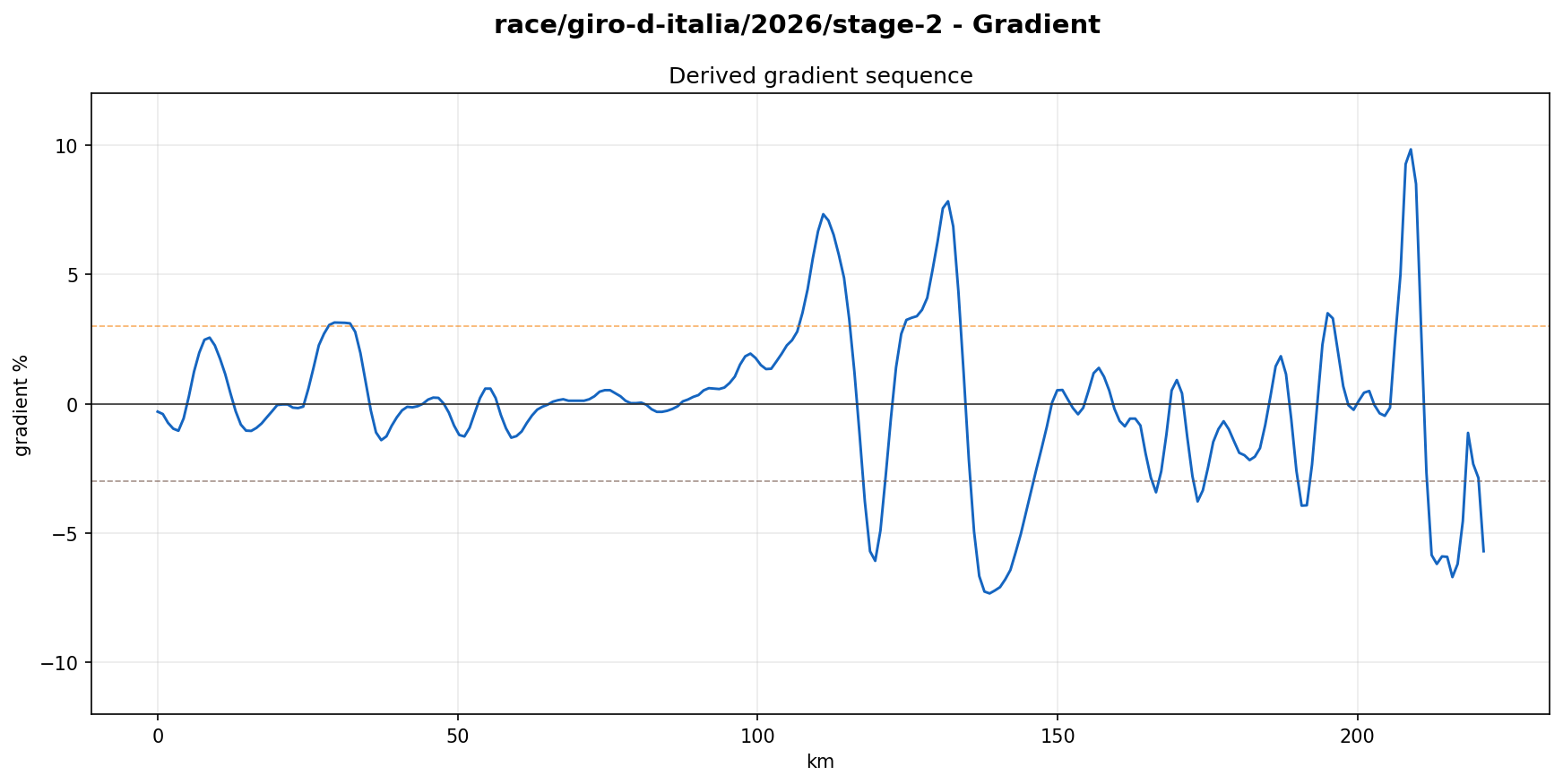
Around mid‑distance the day will turn far more selective. Two long climbs in quick succession, 8km at 5% at kilometre 107 and 9km at 4% at kilometre 123, will drag the race up onto the spine of the route and will likely thin the bunch to a more compact group of strong rouleurs, puncheurs and any all‑round sprinters who can live with a sustained tempo. The descent from this high point will not fully relax the legs either; the run towards Veliko Tarnovo will stay lumpy, with little chance to sit in and recover before the road rears again.
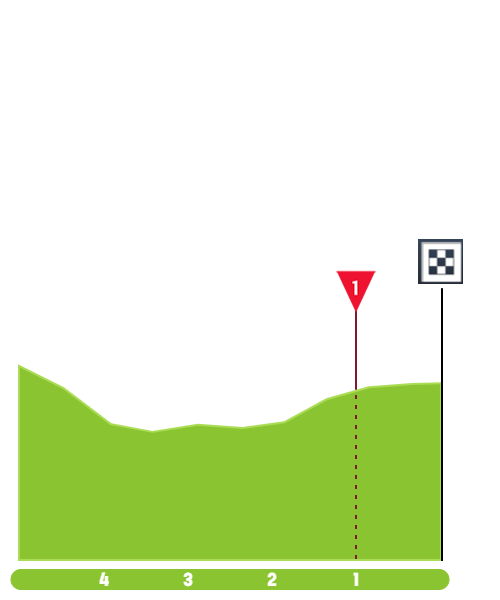
The Lyaskovets Monastery Pass, 3.9km at 6.6% with only about 14km remaining, will provide a platform for late attacks. Punchy climbers and opportunistic GC riders could try to break clear there, knowing that the drop and fast run‑in to Veliko Tarnovo will reward committed groups. If, against the odds, the race does come back together, it could favour hardened sprinters who handle climbs and classics‑style finishers from reduced groups, rather than the pure speedsters. Either way, the stage will demand endurance over 221.0km and the ability to surge repeatedly on medium‑length climbs before a tense, selective conclusion.
Key Climbs:
- 8km climb at 5%, km 107
- 9km climb at 4%, km 123
- Lyaskovets Monastery Pass — 3.9km at 6.6%, km 207
*13.9km from final summit to the finish.*
Weather
16°C | Light rain shower | 6 km/h NW
- ☔ 100% chance of rain — wet roads will favor cautious descending
How It Might Unfold
A sizeable and ambitious breakaway featuring puncheurs, strong rouleurs and a few opportunistic climbers will likely form early on the rolling roads. With the stage length and wet conditions, sprinters’ teams might hesitate to commit fully, especially if their fast men are doubtful over the mid‑stage climbs. Control of the gap will probably ebb and flow around the 8.7 km at 5.8% climb at km 107 and the 10.4 km at 5.6% ascent at km 123, where teams with punchy finishers will test the sprinters and try to thin the peloton. GC squads will mostly ride defensively here, keeping things steady but allowing others to shoulder the chase.
The real sorting will likely come on Lyaskovets Monastery Pass, 3.9 km at 6.6% at km 207, where the gradient and accumulated fatigue will crack the sprinters. Puncheurs and all‑rounders will try to force a split near the top or on the wet descent toward Veliko Tarnovo, hoping to go clear in a select group. We might even see some ambitious GC riders and/or Italians gambling on a day in the Maglia Rosa throw the kitchen sink at it. If the climbs and rain prove hard enough, a late attack from a punchy finisher or classics‑style rouleur could stick; if not, a reduced sprint from a trimmed bunch of fast‑finishing climbers and puncheurs looks a likely outcome. GC leaders will aim simply to stay out of trouble, but time gaps from splits or crashes in the run‑in could still prove significant for the overall.
Contenders
Among the GC leaders, Jonas Vingegaard will stand out as one of the main favourites for a hilly test like this, although. Egan Bernal will sit just behind him in the hierarchy here: he is punchier than he looks on these type of finishes. However: given the weather and the little differences that can be made, GC-riders will probably keep their ammo dry.
From the non‑GC camp: riders like Andrea Vendrame, Corbin Strong, Edoardo Zambanini, Thomas Guillermo Silva and Fillipo Ganna will profile as classic breakaway and reduced‑bunch threats. They will relish a day where the peloton sheds pure sprinters; as their combination of resistance on medium climbs and a sharp kick from a small group will make them dangerous if they survive to the finale alongside heavier finishers.
From the puncheurs category: Italian riders like Giulio Ciccone, Christian Scaroni, Filippo Zana, as well as other puncheurs such as the UAE-ensemble (Jan Christen, Antonio Morgado, Marc Soler, Igor Arrieta, Jonathan Narvaez), and riders like Michael Valgren, Lennert van Eetvelt, Javier Romo will be licking their lips seeing this profile. The weather, combined with the fact that it’s 14km mostly descending from the top of the final climb and the final kilometers also feature some climbing and cobbles, will give these riders the greatest shot.
Given that the Maglia Rosa is up for play, the breakaway has little chance.
Predictions
1. ⭐⭐⭐ Jan Christen
2. ⭐⭐⭐ Giulio Ciccone
3. ⭐⭐ Christian Scaroni
4. ⭐ Andrea Vendrame
5. ⭐ Lennert van Eetvelt
6. ⭐ Michael Valgren
Predicted Winner
Jan Christen
Get’s away with a small group on the final climb of the day, and breaks free in the final kilometers.