Tour De France 2026 – Stage 12
Post Series: Tour De France 2026
- 1.Tour De France 2026 – Stage 2
- 2.Tour De France 2026 – Stage 3
- 3.Tour De France 2026 – Stage 4
- 4.Tour De France 2026 – Stage 5
- 5.Tour De France 2026 – Stage 6
- 6.Tour De France 2026 – Stage 7
- 7.Tour De France 2026 – Stage 8
- 8.Tour De France 2026 – Stage 9
- 9.Tour De France 2026 – Stage 10
- 10.Tour De France 2026 – Stage 11
- 11.Tour De France 2026 – Stage 12
- 12.Tour De France 2026 – Stage 13
- 13.Tour De France 2026 – Stage 14
- 14.Tour De France 2026 – Stage 15
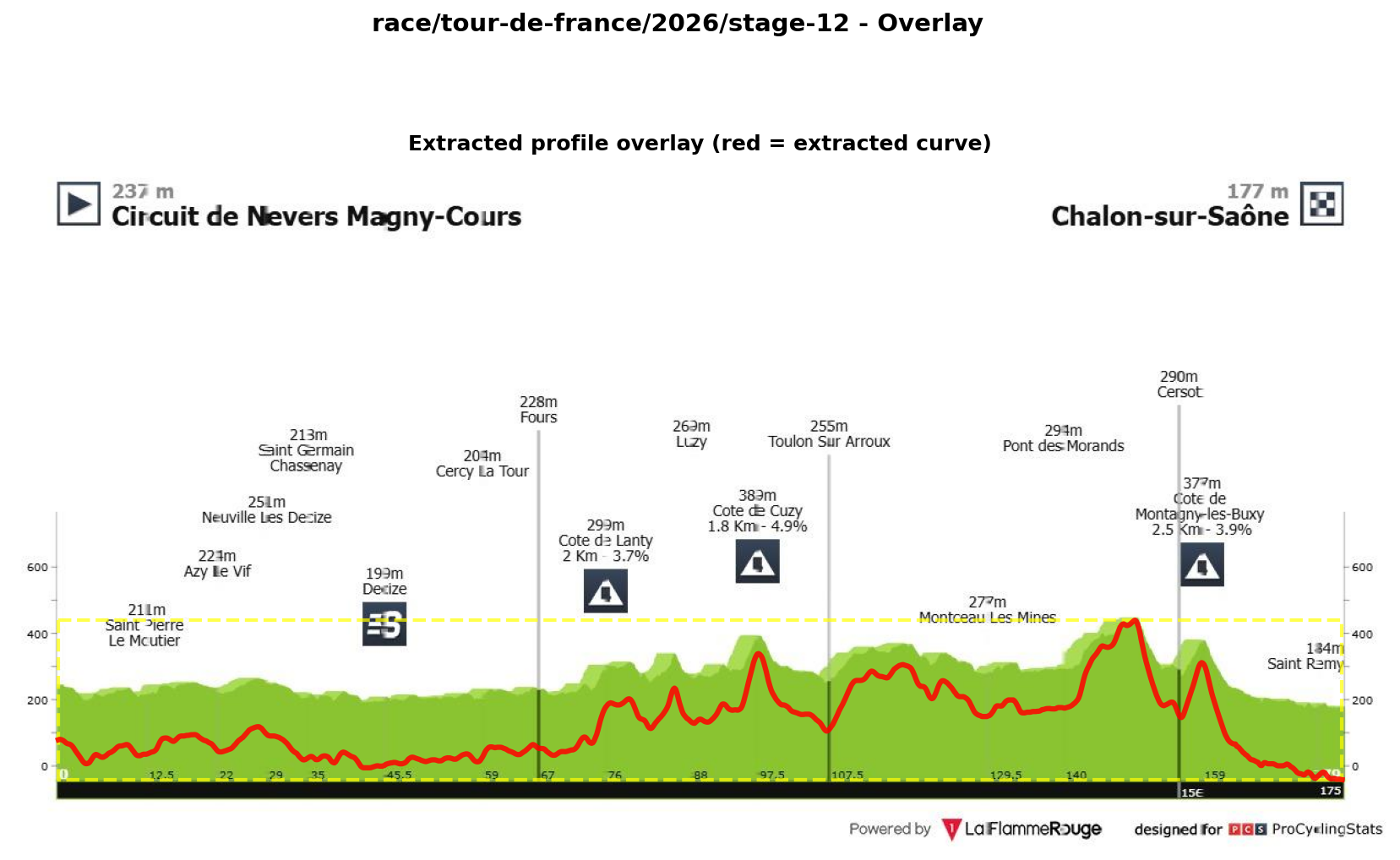
Circuit Nevers Magny-Cours → Chalon-sur-Saône | 179.1 km | flat
Stage 12 will serve up a long, nervy run-in where the pure sprinters’ teams will be expected to keep a tight grip on proceedings from the gun. With fast roads and a big-city finish on the Saône, the narrative will likely revolve around lead-out trains jostling for position before a drag-race to the line.
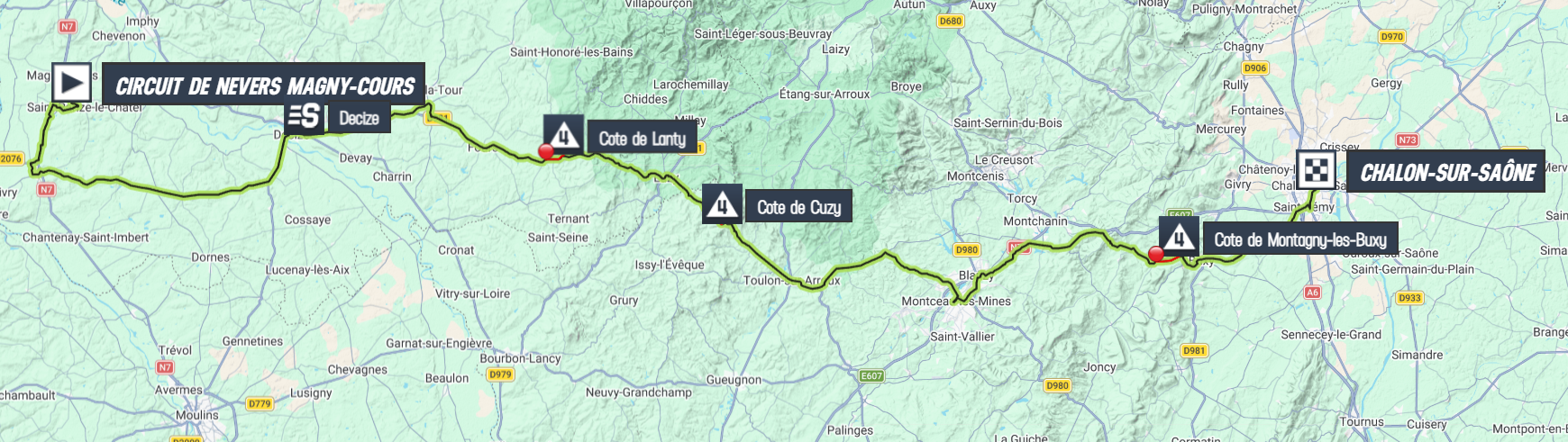
The Route
Rolling out from the Circuit de Nevers Magny-Cours, the peloton will ease into a day that will feel flat on paper but lively under the wheels. The opening half of the 179.1 km stage will drift through low, undulating countryside, with only gentle rises and dips to shape the early battle for the break. It will be classic transition terrain: enough movement to encourage attacks, not enough to scare the sprinters’ teams, who will likely keep a measured lid on any early adventure while waiting for the road to tilt a little more decisively.
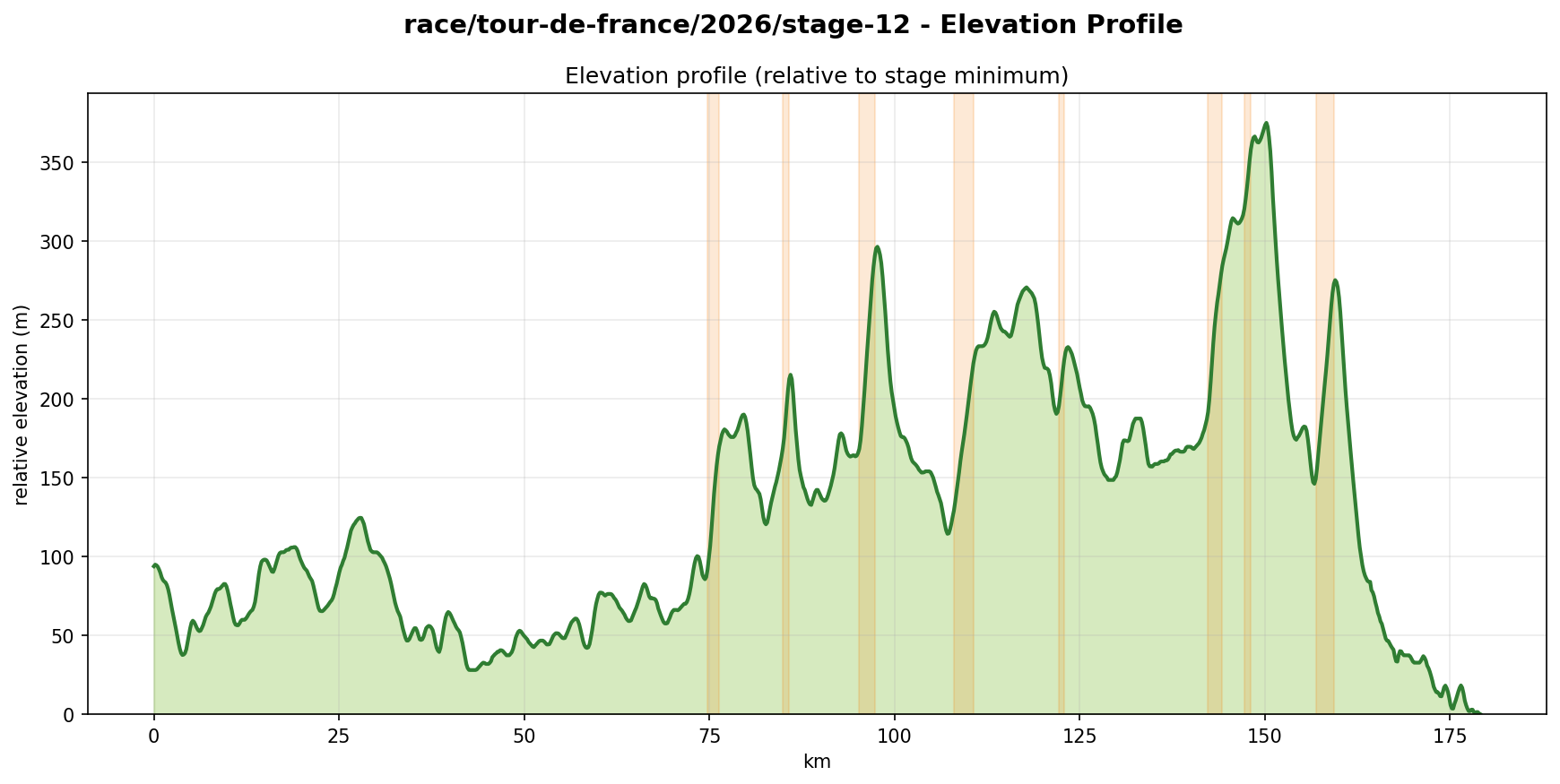
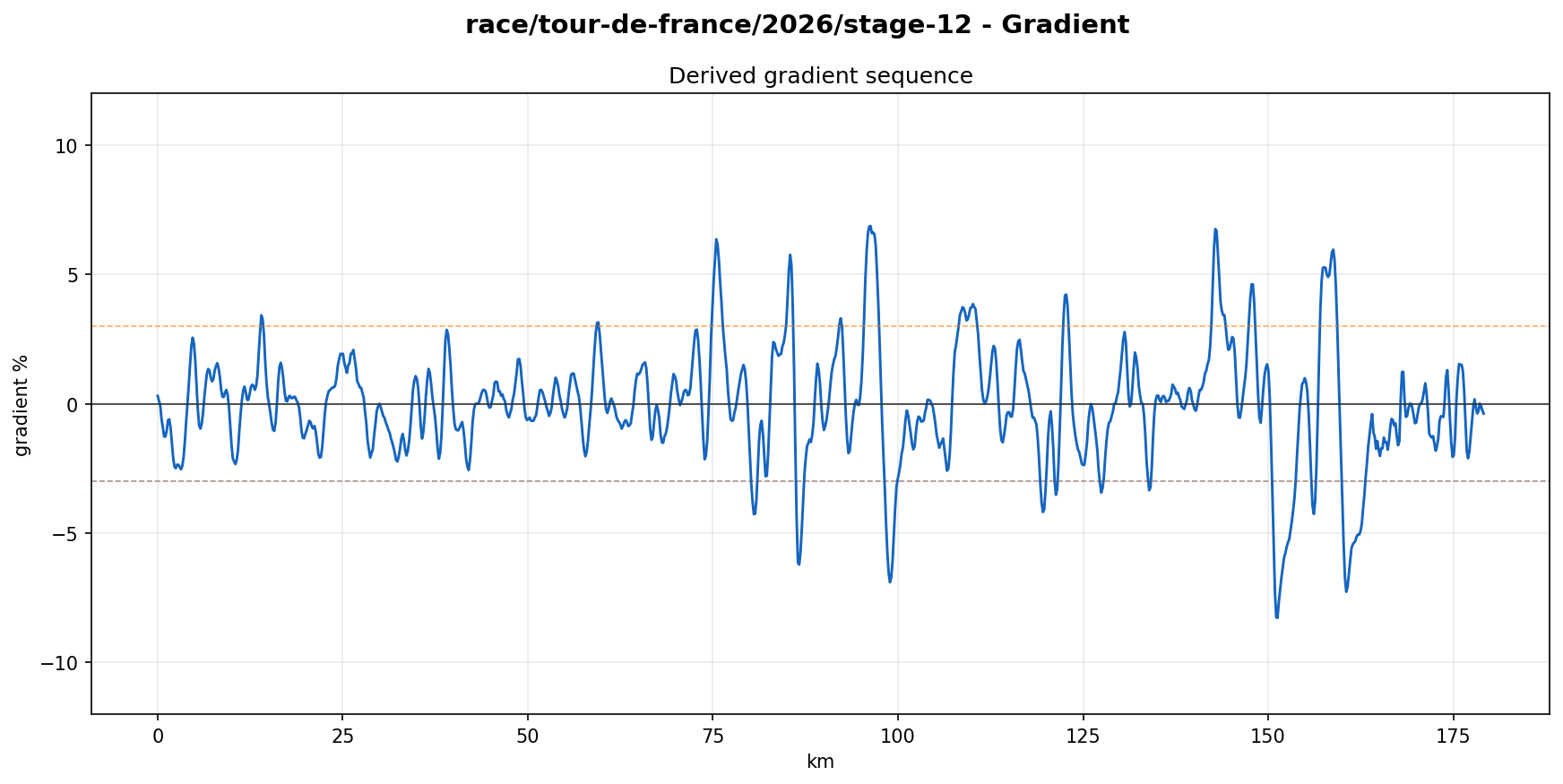
The second half of the route will build more clearly, with the profile rising toward a lumpier plateau and then cresting twice on the run toward Chalon-sur-Saône. Those two efforts in the final 85 kilometres—2.1 km at 6.1% at around kilometre 95 and 2.5 km at 5.3% at around kilometre 157—will sting if taken hard and could momentarily stretch the bunch, but they will come far enough from the line, and on wide, flowing roads, that organised sprint trains should be able to bring things back together. From the last climb the terrain will gradually fall and flatten into town, setting up a fast, straightforward run-in that will reward well-drilled lead-out trains and pure sprinters who handle a touch of mid-stage turbulence before unleashing their speed on the finishing straight.
Key Climbs:
- 2.1km climb at 6.1%, km 95 (max 9%)
- 2.5km climb at 5.3%, km 157 (max 9%)
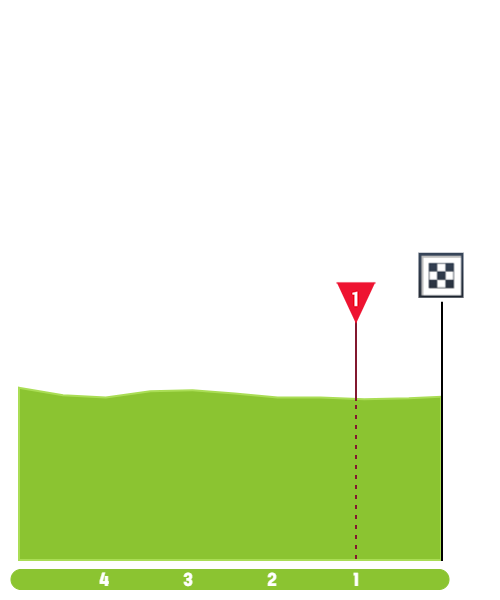
*22.2km from final summit to the finish.*
Weather
32°C | Sunny | 8 km/h SSW
How It Might Unfold
The day will open with the usual tussle for the early break, likely featuring baroudeurs and all‑rounders who know this is one of the last realistic chances to get up the road. The long, flat run out of Magny‑Cours will let the sprint teams establish control, but the 2.1 km rise at 6.1% around halfway and the later 2.5 km ascent at 5.3% near Montauny‑les‑Buxy will give the escapees their best opportunity to stretch the elastic. In the heat, some domestiques could fatigue earlier than usual, yet with so few obstacles and no disruptive conditions, the big sprint trains will still be strongly placed to reel everything in before Chalon‑sur‑Saône.
The finale will favour well‑drilled lead‑out trains that can keep their sprinters at the front through the last sweeping bends and changes in road width. Positioning into the final kilometre will be crucial, as recent chaotic finishes could encourage late diving moves from powerful sprinters who prefer a long launch. The most realistic ways for the sprint to become messy could come from overlapping trains, riders hesitating after recent jury interventions, and the possibility of a punchy finisseur timing a late jump while the pure sprinters watch each other. Even so, the profile and run‑in will point firmly toward a high‑speed drag race to the line.
Contenders
Olav Kooij, Tim Merlier and Jasper Philipsen will head into Chalon-sur-Saône as the core of the traditional sprint hierarchy. Kooij will carry the confidence of near-misses and a strong lead-out, Merlier will look to turn his frustration from Nevers into a cleaner run to the line, while Philipsen will want a result that shifts the narrative back to his finishing speed rather than jury rooms.
Behind them, Biniam Girmay and Søren Wærenskjold will represent the danger of “non-standard” finishes. Girmay could thrive if the run-in gets messy and lines open late, while Wærenskjold will be watched closely after his long-range surprise on Stage 11. Milan Fretin will lurk as an outsider who might profit if the bigger trains cancel each other out.
Predictions
1. ⭐⭐⭐ Tim Merlier
2. ⭐⭐⭐ Olav Kooij
3. ⭐⭐ Biniam Girmay
4. ⭐⭐ Soren Waerenskjold
5. ⭐ Jasper Philipsen
6. ⭐ Milan Fretin
Predicted Winner
Tim Merlier