Tour De France 2026 – Stage 8
Post Series: Tour De France 2026
- 1.Tour De France 2026 – Stage 2
- 2.Tour De France 2026 – Stage 3
- 3.Tour De France 2026 – Stage 4
- 4.Tour De France 2026 – Stage 5
- 5.Tour De France 2026 – Stage 6
- 6.Tour De France 2026 – Stage 7
- 7.Tour De France 2026 – Stage 8
- 8.Tour De France 2026 – Stage 9
- 9.Tour De France 2026 – Stage 10
- 10.Tour De France 2026 – Stage 11
- 11.Tour De France 2026 – Stage 12
- 12.Tour De France 2026 – Stage 13
- 13.Tour De France 2026 – Stage 14
- 14.Tour De France 2026 – Stage 15
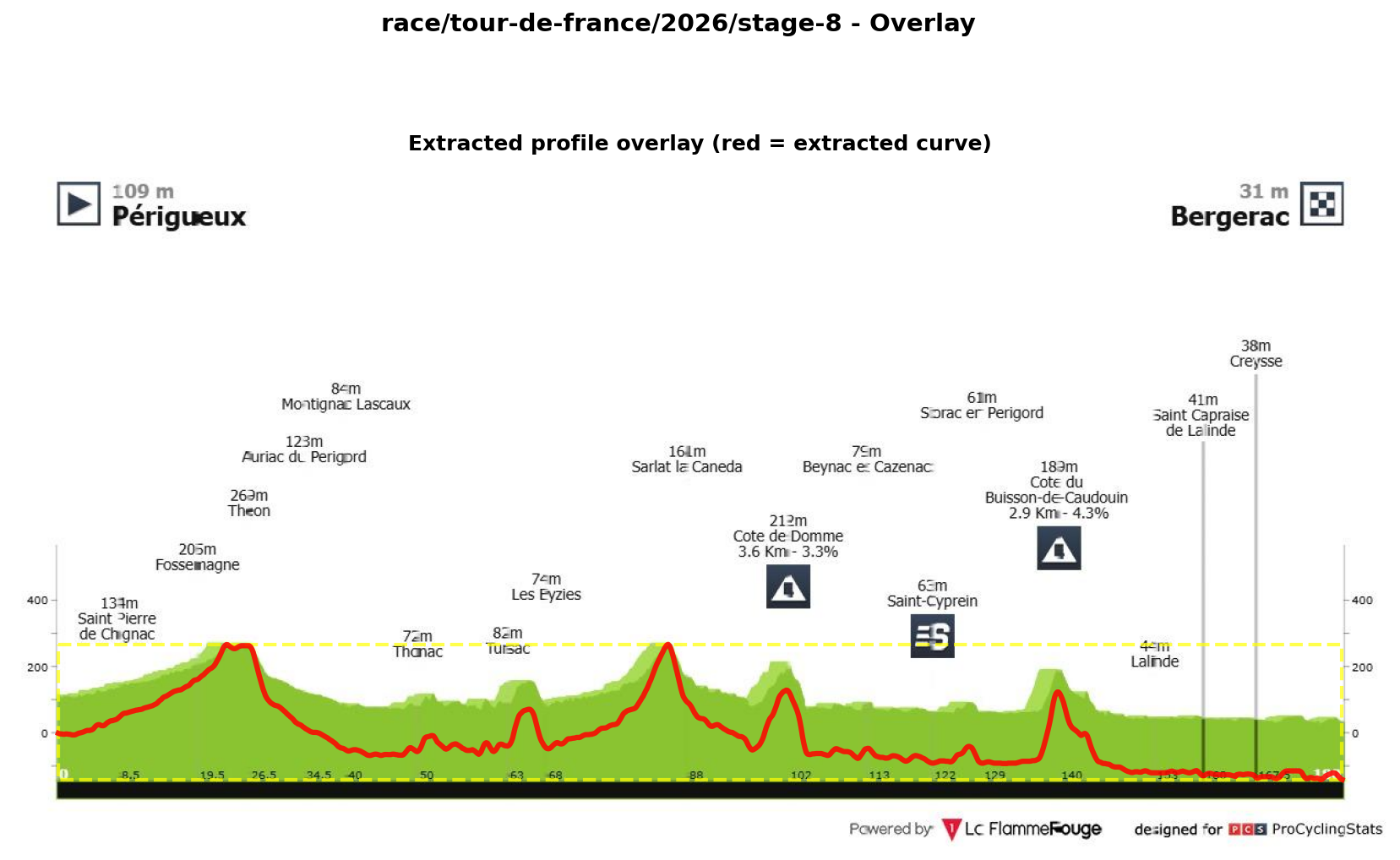
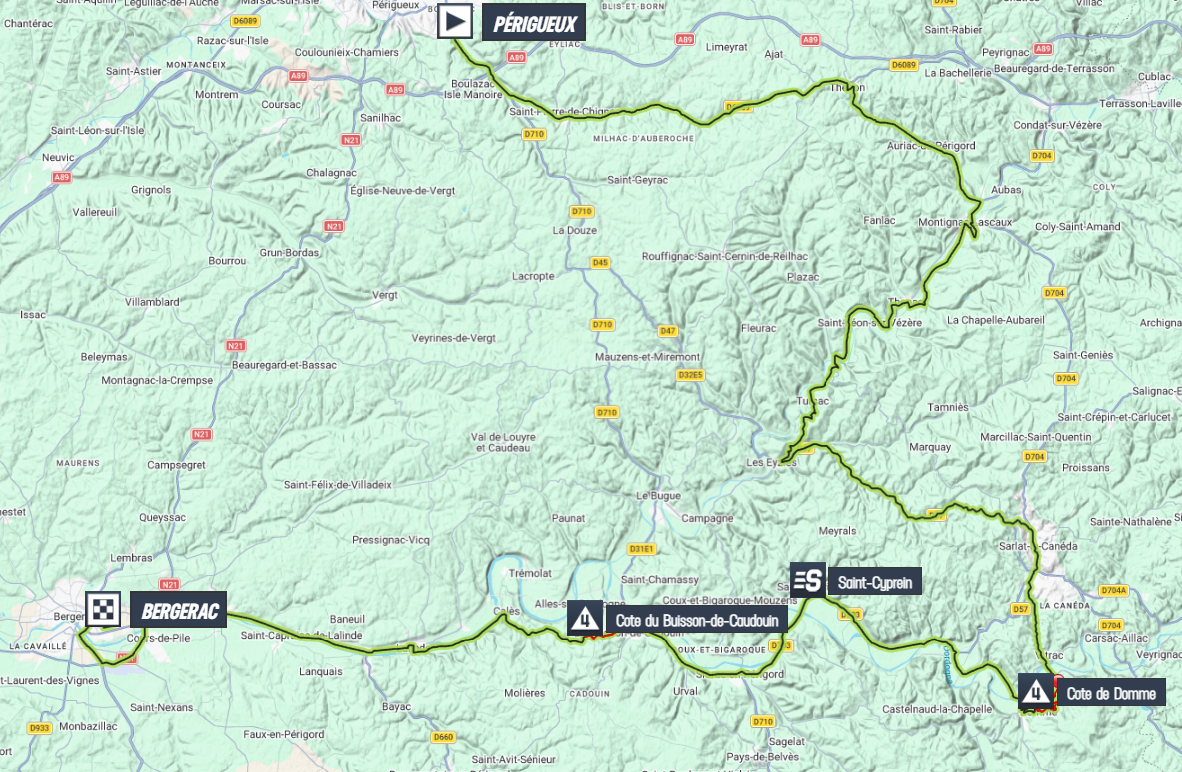
Périgueux → Bergerac | 180.4 km | flat
Stage 8 will offer one of the clearest sprint opportunities of the race, piling pressure on the fast men and their teams to control proceedings from start to finish. With the breakaway artists still hunting glory and the green jersey battle intensifying, the run-in to Bergerac could produce a fiercely contested drag race to the line.
Previous Stage Recap
Stage 7 from Hagetmau to Bordeaux was the long exhale after the Pyrenees, a flat 175.1-kilometre run through the Landes forests and into Gironde that always looked destined for the sprinters. The race flowed without major drama until the lengthy, technical finale in Bordeaux turned the riverfront into a jostling battlefield. Lead-out trains battled for space in a stretched-out peloton, and positioning rather than pure speed decided who actually contested the sprint.
In that chaos, Tim Merlier emerged best from the mêlée and took a powerful win for Soudal Quick-Step in a sprint of a large group, breaking the Belgian drought in this Tour. Søren Waerenskjold impressed in second for Uno-X Mobility, while Biniam Girmay continued his consistent run in third for NSN Cycling Team. Max Kanter (XDS Astana Team) and Jasper Philipsen (Alpecin – Premier Tech) rounded out the top five, ahead of Phil Bauhaus, Huub Artz, and Mads Pedersen. The GC remained untouched, but the hierarchy among the fast men was sharply reshuffled on the streets of Bordeaux.
The Route
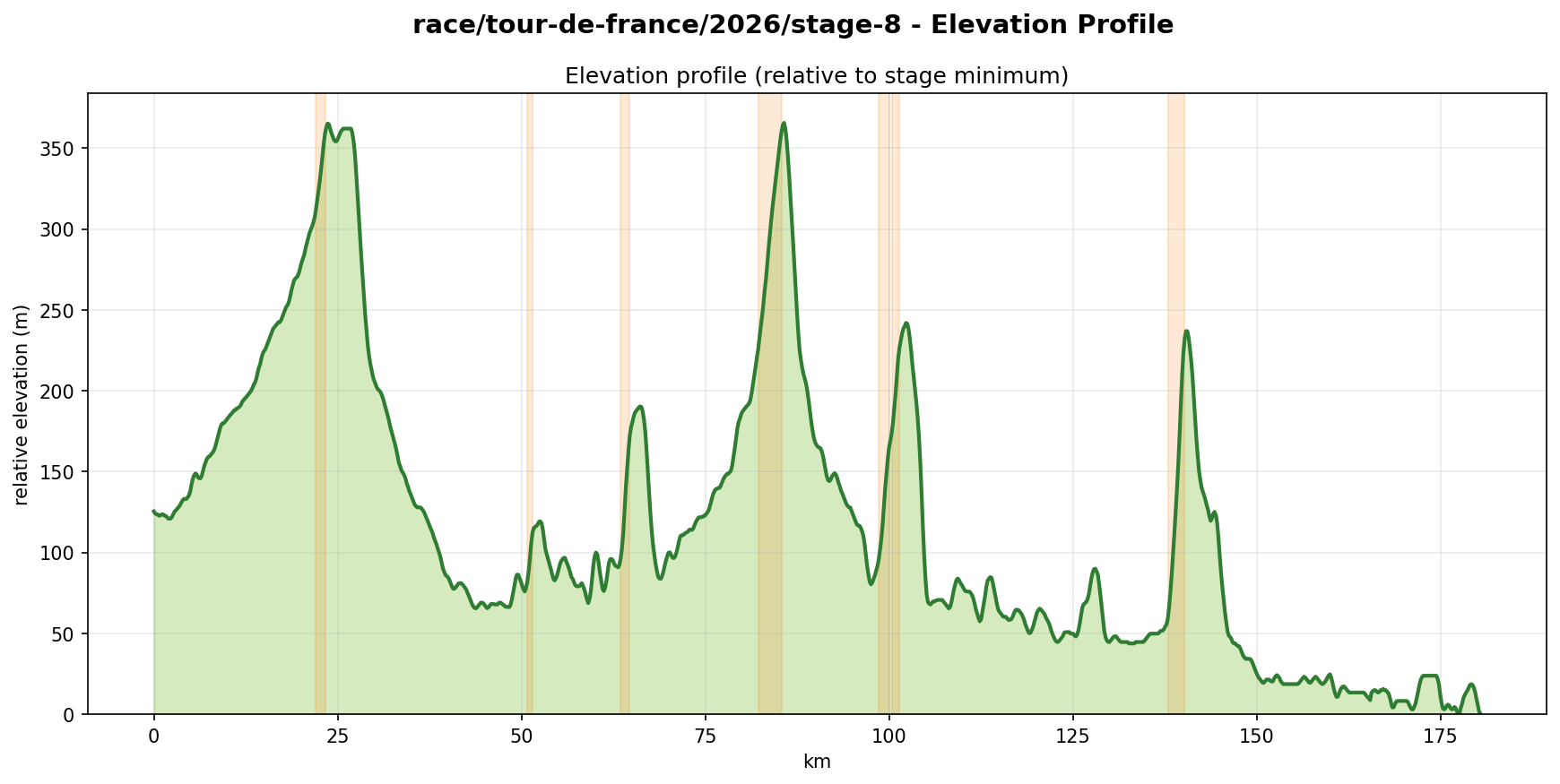
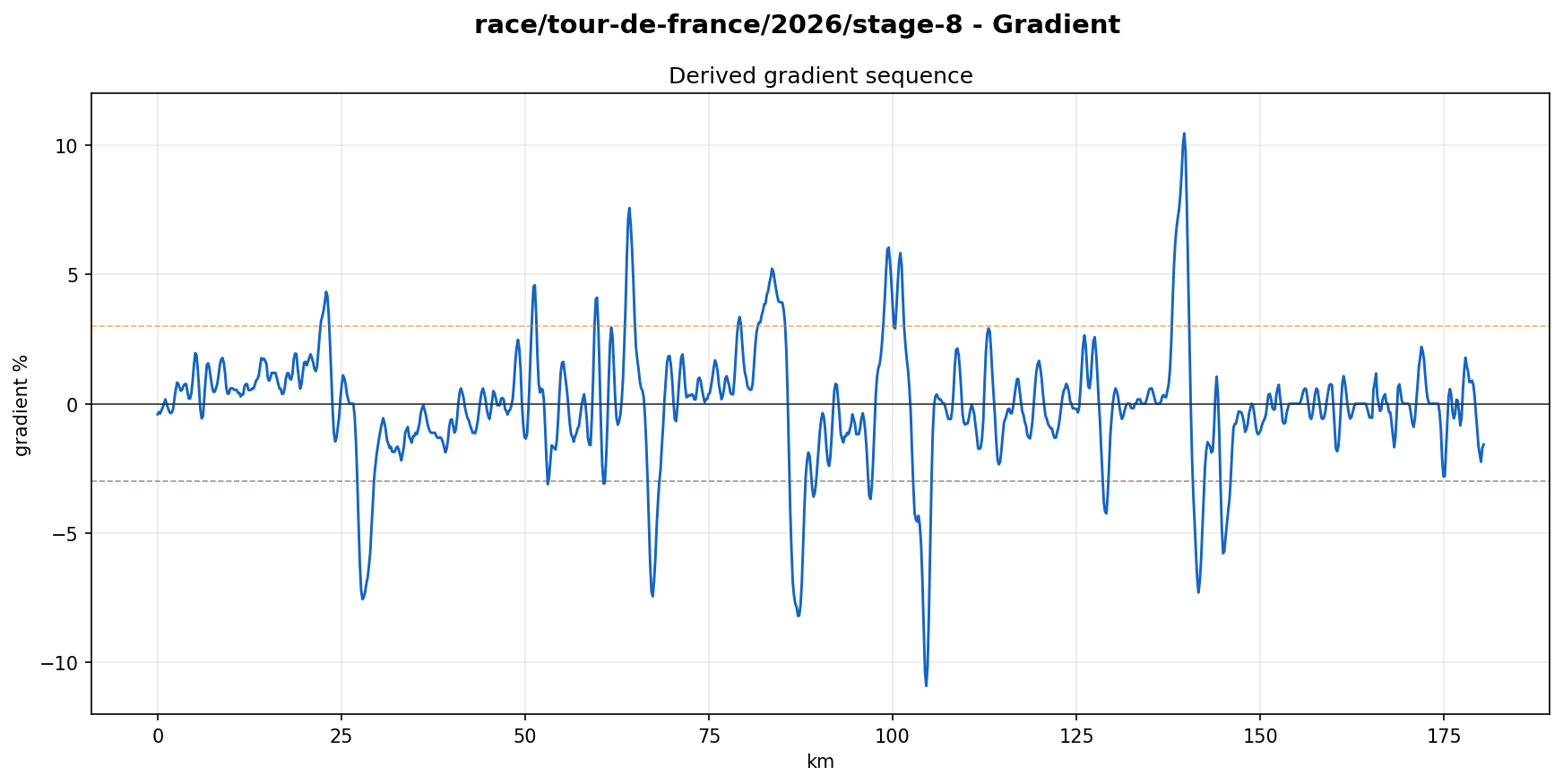
The road from Périgueux to Bergerac will thread through classic Dordogne scenery, and the profile will reflect that rolling geography. The stage will climb steadily away from the start, rising onto a broad plateau that will sap legs more than the “flat” label suggests, before dropping back into a gentler mid‑section of undulating valley roads. Around the middle of the day the bunch will tackle the first of the two significant ups, a 3.2 km drag at 4.3% that will stretch the line and provide a natural springboard for any latecomers trying to join the break.
The route will then settle into a bumpy rhythm until the Côte du Buisson‑de‑Cadouin looms inside the final 50 km, a sharper 2.3 km test at 7.9% that will bite after more than 130 km of racing. This rise will give punchier riders a chance to test the sprinters’ teams, but the long, largely flat run from its summit to Bergerac will likely hand control back to organised lead‑outs. The finale will favour a fast, well‑positioned sprinter who can survive a day of small climbs, with the main tactical question revolving around whether the purest speedsters will still be in contention when the race hits the final straight.
Key Climbs:
- 3.2km climb at 4.3%, km 82 (max 9%)
- 2.3km climb at 7.9%, km 138 (max 12%)
Weather
36°C | Sunny | 5 km/h E
How It Might Unfold
The stage will likely settle into a familiar pattern with opportunists forming a break on the early drag out of Périgueux. The two classified climbs at around the 80 and 140-kilometre marks will be felt in the legs, but the heat and long, flat run-in will favour organised sprint trains that will keep the gap on a tight leash. Unless the peloton completely misjudges the chase, the break’s best hope will be mopping up intermediate points rather than denying the fast men a second consecutive opportunity.
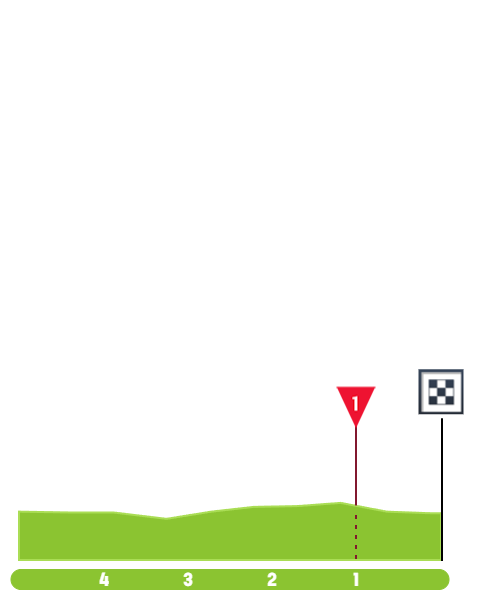
Into Bergerac, the road will level out and widen, inviting a long, high-speed battle for position over the final kilometres. Lead-out units will try to take over early to avoid the chaos of yesterday’s messy finale, stringing the bunch out before the flamme rouge. Any late roundabouts, traffic islands or slight bends could still cause splits and lost wheels, especially with tired legs in the heat. A clean, well-timed launch from two to three riders in line could prove decisive, but a mistimed jump or hesitation might open the door for second-tier sprinters and crafty wheelsuckers to surf the chaos and spring a surprise.
Contenders
The pure sprinters will again set the tone. Tim Merlier will start as one of the men to beat after his Bordeaux victory and a well-drilled Soudal Quick-Step train. Jasper Philipsen will be burning to make amends for his chaotic sprint and, with Mathieu van der Poel still searching for joy in this Tour, Alpecin‑Premier Tech could sharpen their lead-out further. Olav Kooij already has a win and will likely fancy this cleaner, more straightforward run‑in to add a second.
Behind them, the power sprinters and opportunists will circle. Søren Wærenskjold’s consistency in the sprints will make him a danger if the front trains fan out or hesitate. Max Kanter, increasingly confident after repeated near-misses, could exploit any disorganisation, while riders like Biniam Girmay and Mads Pedersen might pounce if the sprint becomes a longer drag rather than a pure speed test.
Predictions
1. ⭐⭐⭐ Olav Kooij
2. ⭐⭐⭐ Tim Merlier
3. ⭐⭐ Jasper Philipsen
4. ⭐⭐ Soren Waerenskjold
5. ⭐ Pavel Bittner
6. ⭐ Max Kanter
Predicted Winner
Olav Kooij