Tour De France 2026 – Stage 4
Post Series: Tour De France 2026
- 1.Tour De France 2026 – Stage 2
- 2.Tour De France 2026 – Stage 3
- 3.Tour De France 2026 – Stage 4
- 4.Tour De France 2026 – Stage 5
- 5.Tour De France 2026 – Stage 6
- 6.Tour De France 2026 – Stage 7
- 7.Tour De France 2026 – Stage 8
- 8.Tour De France 2026 – Stage 9
- 9.Tour De France 2026 – Stage 10
- 10.Tour De France 2026 – Stage 11
- 11.Tour De France 2026 – Stage 12
- 12.Tour De France 2026 – Stage 13
- 13.Tour De France 2026 – Stage 14
- 14.Tour De France 2026 – Stage 15
Carcassonne → Foix | 181.9 km | mountain
Relentless climbing will turn this 181.9 km mountain stage into a war of attrition, with the final ascents likely to expose any weaknesses after a long, sapping day. It could invite bold attacks from breakaway specialists, setting up a dramatic battle on the run into Foix.
Previous Stage Recap
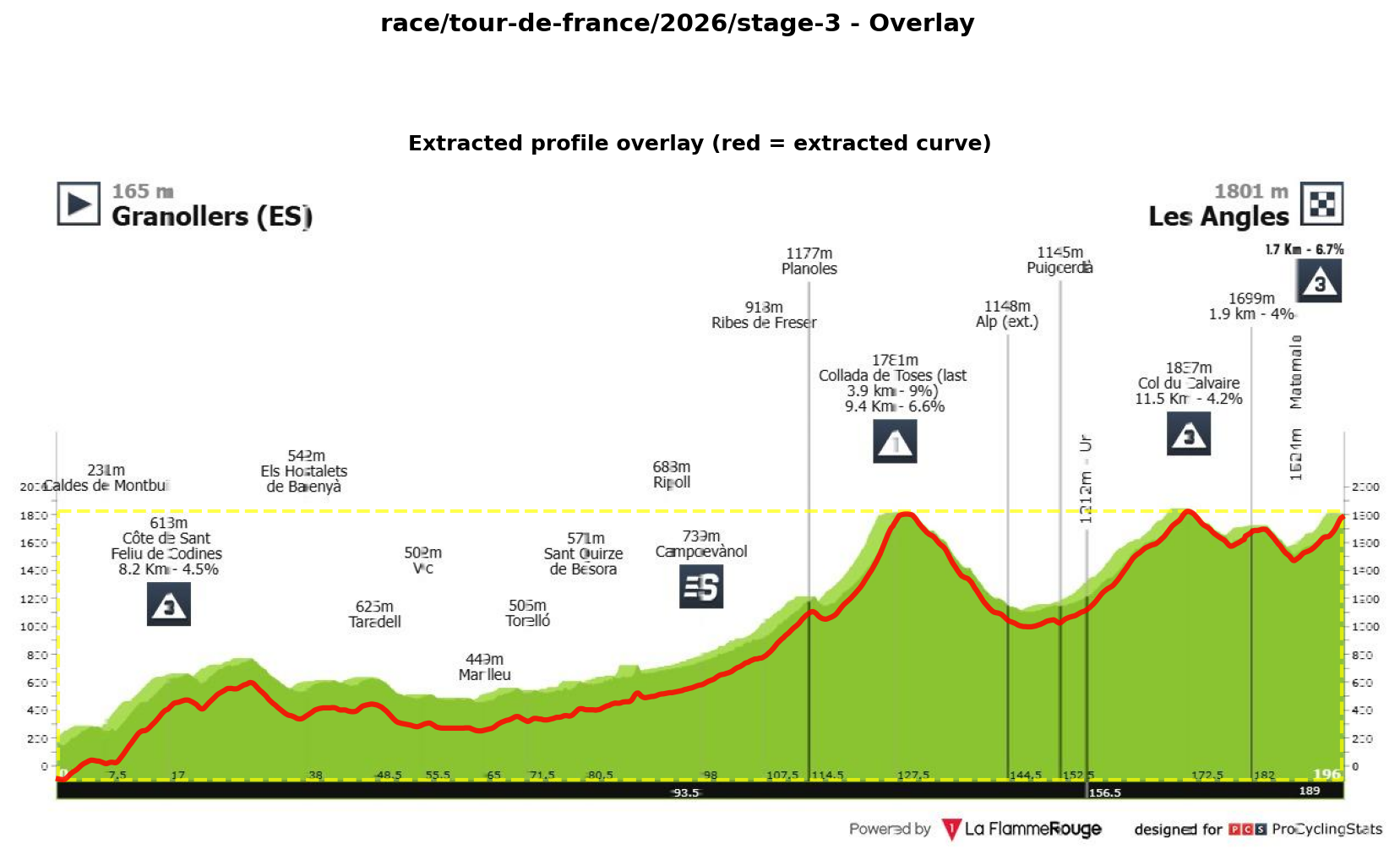
Stage 3 from Granollers to Les Angles turned into the first big Pyrenean showdown of the Tour de France 2026. Over 195.9 snikhete kilometers, UAE Team Emirates – XRG kept the mountain break firmly under control, and on the punishing uphill drag to the finish a small elite group remained. From that reduced bunch, Tadej Pogacar launched his trademark explosive sprint and won clearly, taking both the stage and, as reported, the yellow jersey off Jonas Vingegaard in a decisive double strike.
Vingegaard still finished second on the day, confirming the expected two-man duel, while Richard Carapaz crossed the line in third. Rising French star Paul Seixas impressed with fourth, and Tobias Halland Johannessen and Lennert Van Eetvelt added depth to the GC and puncheur battle in fifth and sixth. Florian Lipowitz and Isaac Del Toro rounded out the top eight, underlining how hard the pace had been: the stage ended as a selective sprint of climbers and all‑rounders, with the hierarchy among the main contenders already sharpened before the race moved deeper into France.
The Route
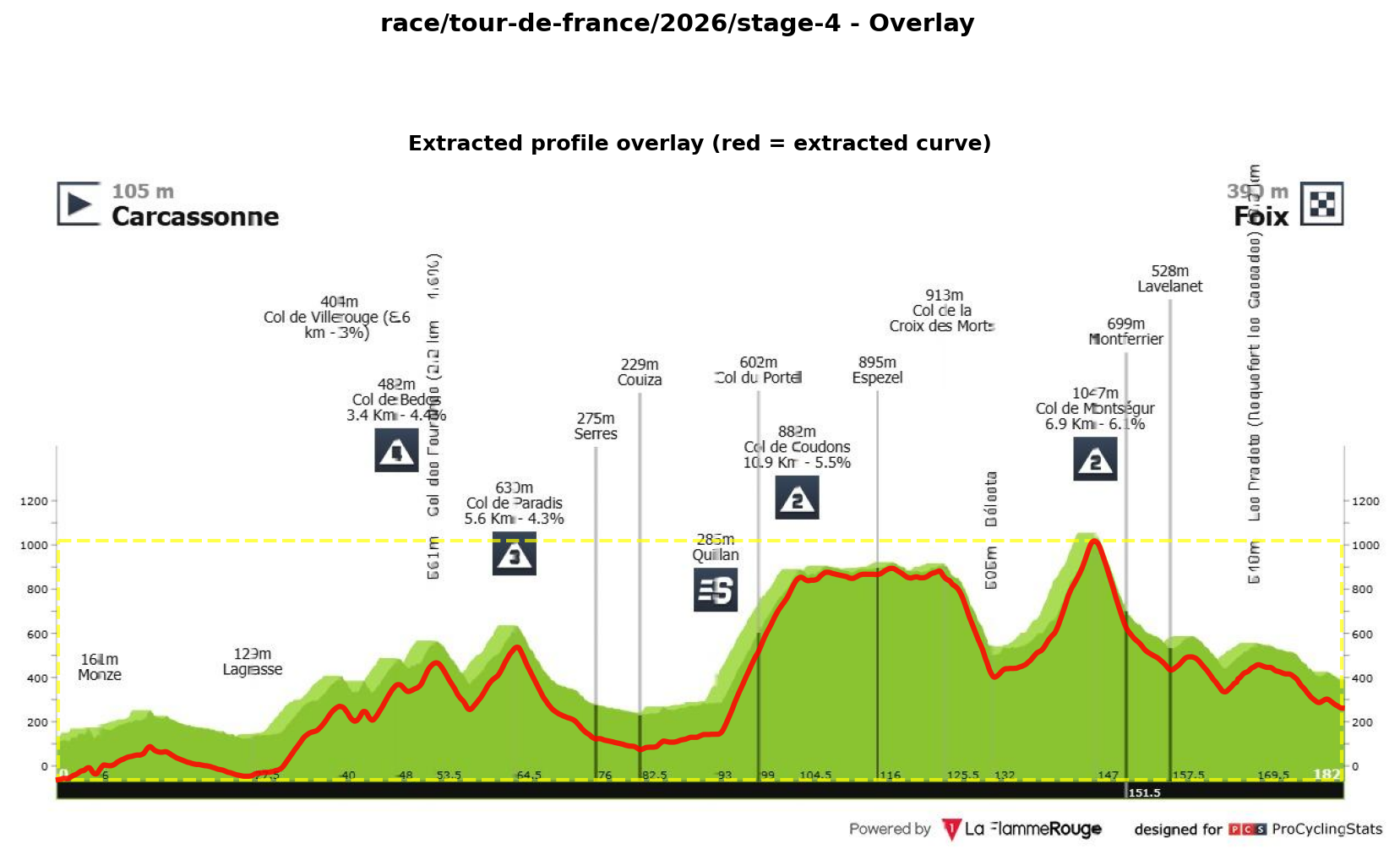
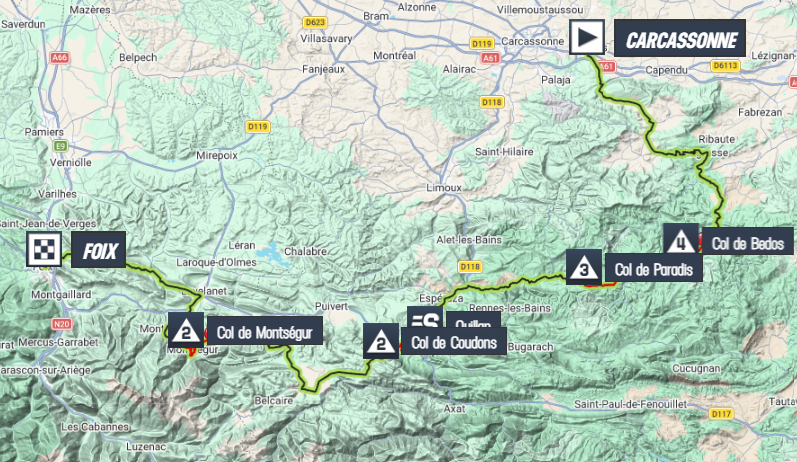
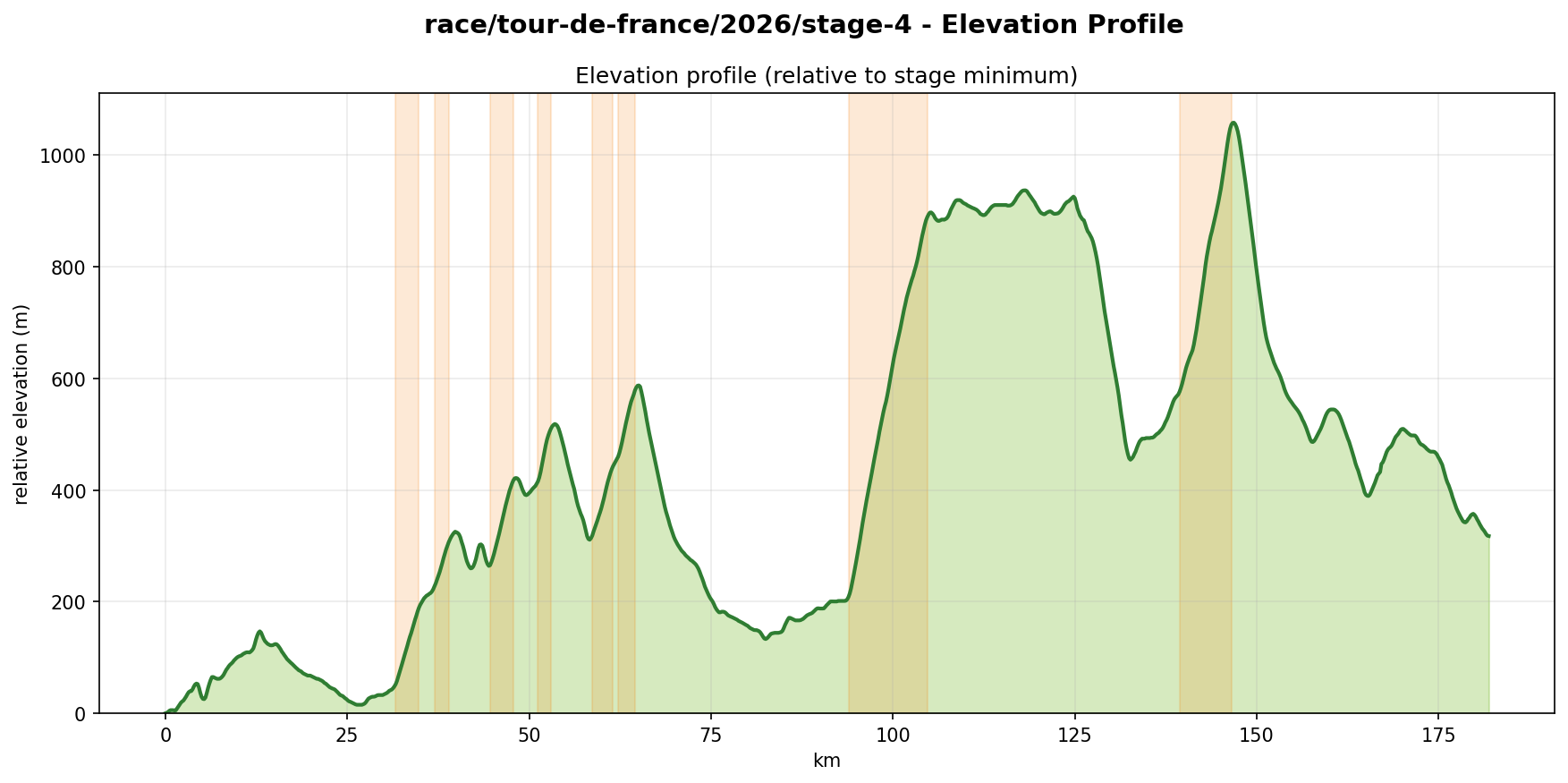
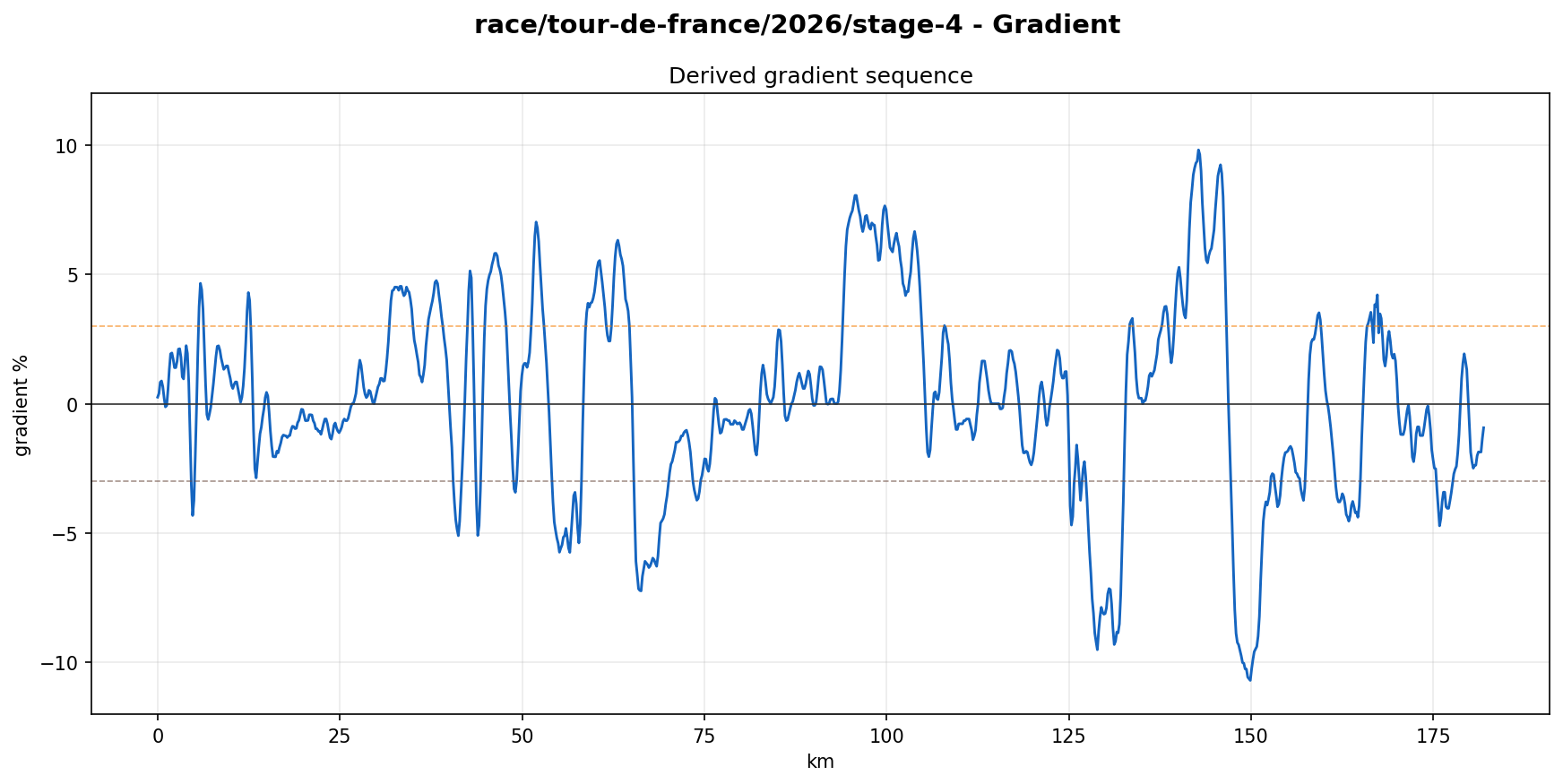
The stage from Carcassonne to Foix will ease the riders into the Pyrenean foothills before turning into a fully fledged climbing day. The opening third will ripple through vineyard country, with a string of short ascents steadily lifting the race away from the plains: 3.2km at 4.4% at km 32, 3.2km at 4.8% at km 45, 2.8km at 4.3% at km 59 and 2.3km at 5.0% at km 62. None of these early climbs will be individually selective, but taken together they will ensure a hard fight for the breakaway and will start to sap the legs long before the high ground appears. Once the peloton drops towards Quillan, a calmer middle phase will briefly return, offering a reset before the real mountains arrive.
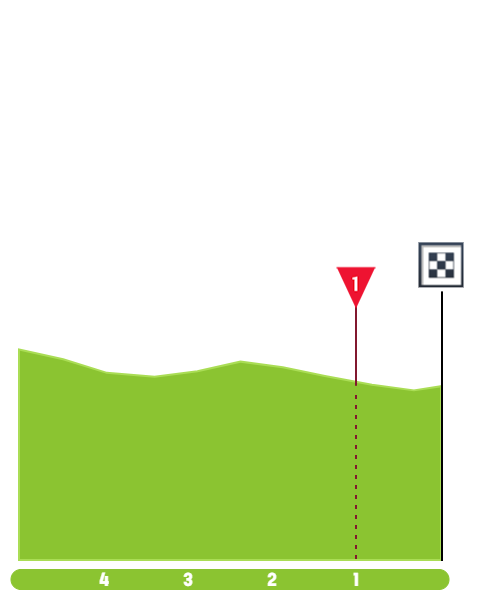
From around the halfway point the road will tilt properly skywards and stay there. A long, steady haul such as the 10.8km at 6.4% ascent at km 94 will mark the transition into a more serious mountain rhythm, ideal terrain for GC teams to impose control if they choose, but equally inviting for strong climbers in the break to press on. The profile will then undulate at altitude before the stage’s sharpest sting: the 7.1km at 6.9% climb at km 139, cresting deep in the final quarter. This will be a natural launchpad for attacks from both breakaway specialists and overall contenders, followed by a fast, technical descent and rolling approach into Foix. The finish will likely favour pure climbers and punchy all‑rounders who can handle repeated efforts and dare on the downhill; it could prove significant for the general classification if the big teams decide to race it hard, and it will also strongly suit an ambitious breakaway willing to gamble from distance.
Weather
35°C | Sunny | 6 km/h N
How It Might Unfold
The opening trio of climbs will light up the fight for the break, with puncheurs, climbers and opportunists all trying to slip clear before the race settles into the long drag towards the mid-stage ascents. With the yellow jersey already on the shoulders of a top GC leader, their team will likely keep the early move on a manageable leash, but might allow a sizeable group away if no overall threats are present. The heat will steadily wear riders down, so energy management and support from domestiques on the valley roads between the early and mid-stage climbs will be crucial.
The stage will probably hinge on the long climb at km 139, where GC teams could turn the screw and shred any tired breakaway before the final ascent and rolling run-in shape the winning scenario. A strong break could still survive if cooperation holds and the favourites’ teams hesitate, but the repeated climbing in the finale is likely to favour an all-rounder or a well-climbing sprinter. Attacks on the last climb could open small but meaningful gaps, while punchy finishers might sprint from a select group if nobody manages to go clear.
Contenders
Puncheur-climbers such as Mathieu van der Poel and Romain Grégoire will eye the stage if the early break survives. Same holds true for Romain Grégoire, Mauro Schmid, Jonas Abrahamsen, Alex Aranburu, Ben Healy, Quinn Simmons, Kevin Vauquelin, Alex Baudin, Mathias Vacek, Ion Izagirre, Fred Wright, Brandon McNulty, Florian Vermeersch, Javier Romo, Magnus Cort, Lewis Akey, Marco Frigo, George Zimmerman and Jasper Stuyven. The possible list of winners is endless for such a kind of stage.
If the gradients prove manageable for the heavier classics riders, Mads Pedersen, Michael Matthews and Søren Wærenskjold could still sneak into contention from a reduced group rather than a pure GC showdown. Or we might even see the peloton chase the break to setup a reduced sprint finish like Movistar did plenty of times during the Giro D’Italia
Predictions
1. ⭐⭐⭐ Romain Grégoire
2. ⭐⭐⭐ Matthias Vacek
3. ⭐⭐ Ben Healy
4. ⭐⭐ Mads Pedersen
5. ⭐ Matthieu van der Poel
6. ⭐ Javier Romo
7. ⭐ Michael Matthews
8. ⭐ Soren Waerenskjold
9. ⭐ Alex Aranburu
10. ⭐ Filipo Ganna
Predicted Winner
Romain Grégoire